
In the world of culinary alchemy, few combinations marry simplicity and sophistication quite like miso glazed cod. This humble white fish, when kissed by the umami-rich embrace of miso, transforms into a dish that’s both effortlessly elegant and deeply satisfying. Unlocking the secrets behind this flavorful dance reveals not just a recipe, but an art form-were balance, technique, and tradition converge to create cod perfection. Join us as we delve into the essence of miso glazing,exploring how this age-old Japanese ingredient unlocks a symphony of taste that elevates everyday seafood into an unforgettable dining experience.
Unlocking Flavor: The Art of Miso Glazed Cod Perfection
Unlocking flavor through the delicate balance of sweet, salty, and umami is what makes miso glazed cod an irresistible culinary gem. This dish, inspired by traditional Japanese home cooking, transforms a simple white fish into a luscious masterpiece with a satisfyingly caramelized glaze that sings on the palate. Whether you are new to cooking cod or a seasoned foodie looking to elevate your technique, this guide will walk you through the essential steps to achieve perfection.
Prep and Cook Time
- Preparation: 20 minutes
- Cook Time: 15 minutes
- Total Time: 35 minutes
Yield
Serves 4 elegantly plated portions
Difficulty Level
Medium – approachable with some attention to glaze and fish handling techniques
Ingredients
- 4 cod fillets (6 oz each, skinless and pin-boned)
- 3 tbsp white miso paste
- 2 tbsp mirin (Japanese sweet rice wine substitute: use 1 tbsp honey + 1 tbsp water if unavailable)
- 1 tbsp sake (optional for aroma; omit if preferred)
- 2 tbsp granulated sugar
- 1 tbsp soy sauce
- 1 tsp toasted sesame oil
- 1 tsp freshly grated ginger
- Cooking oil (neutral, such as grapeseed or vegetable oil)
- Fresh scallions, finely sliced, for garnish
- Toasted sesame seeds for garnish (optional)
Instructions
- Prepare the Miso Glaze: In a small bowl, whisk together white miso paste, mirin, sugar, soy sauce, sesame oil, and freshly grated ginger until smooth and well combined.Set aside to allow flavors to meld.
- Prepare the Cod: Pat the cod fillets dry with paper towels to ensure even caramelization. Lightly brush both sides with oil to prevent sticking during cooking.
- marinate: Spread about 2/3 of the glaze evenly over the top of each cod fillet. Let them marinate at room temperature for 10 minutes – this step helps the flavors infuse deeply into the fish while avoiding a raw texture from prolonged marination.
- Sear the Cod: Heat a nonstick skillet over medium-high heat with a splash of oil. Add the fillets, glaze side down first, and cook for 3-4 minutes until the glaze starts to caramelize and the bottom is golden brown. Carefully flip the fillets and cook the other side for 3-5 minutes, depending on thickness, until the fish is opaque and flakes easily.
- Finish Under the Broiler (Optional): For an extra luscious, caramelized finish, place the seared cod on a foil-lined baking tray. Spoon the remaining miso glaze on top and broil for 2-3 minutes, watching closely to avoid burning. This step creates that signature shiny, beautiful crust that elevates the dish.
- Rest and Garnish: Let the cod rest for 2 minutes. Serve garnished with freshly sliced scallions and a sprinkle of toasted sesame seeds to add texture and brightness.
Tips for Success: Choosing and Cooking with Confidence
- Selecting Miso: White (shiro) miso imparts a mild, sweet balance perfect for cod, while red or barley miso offers deeper umami and saltiness but can overwhelm delicate fish. For richest flavor,opt for a premium white miso with natural fermentation and no additives.
- Glaze Technique: Patience during caramelization is key – too high heat burns sugar quickly. Medium to medium-high heat allows even browning and glossy finish. Applying glaze twice (before and after cooking) builds layers of flavor and harnesses complexity.
- Cod Preparation: Freshness is critical. Look for cod fillets that are firm, moist, and white-pinkish without fishy odor. Drying the fish before cooking prevents steaming and promotes a flaky texture.
- Make-Ahead: Miso glaze can be mixed up to 3 days ahead and refrigerated tightly sealed, allowing flavors to deepen.Bring to room temperature before use.
Perfect Pairings and Presentation
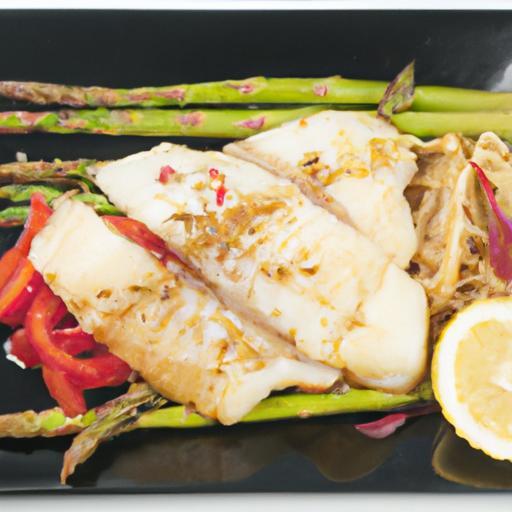
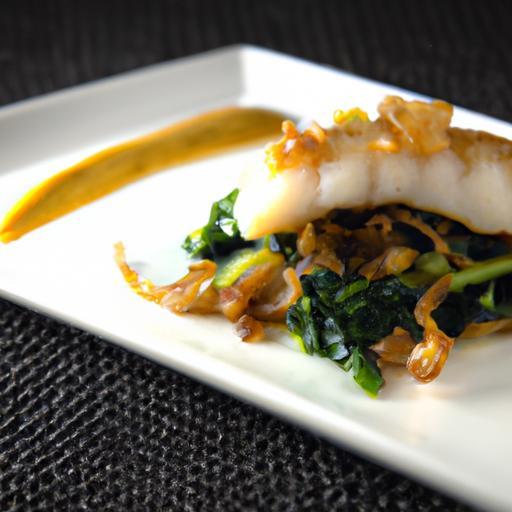
Present your miso glazed cod alongside steamed jasmine rice or light ginger-infused soba noodles for a balanced meal. A simple side of sautéed baby bok choy or blanched asparagus with toasted sesame oil complements the savory glaze beautifully. A drizzle of high-quality soy sauce or a squeeze of fresh lemon can enhance brightness.
Garnish generously with scallions and sesame seeds for visual contrast and nutty crunch. Consider a side of pickled ginger or daikon radish to refresh the palate.
| Nutrient | Per Serving |
|---|---|
| Calories | 290 kcal |
| Protein | 37 g |
| Carbohydrates | 12 g |
| Fat | 7 g |

For even more inspiration, explore our collection of umami-rich recipes to continue unlocking flavor in your cooking adventures.
Q&A
Q&A: Unlocking Flavor – The Art of miso Glazed Cod Perfection
Q1: What makes miso glazed cod such a beloved dish in Japanese cuisine?
A1: Miso glazed cod is a harmonious blend of delicate, flaky fish and the deep umami richness of fermented miso. The gentle sweetness of the glaze, balanced by salty and savory notes, elevates the natural flavor of the cod, creating a dish that’s both comforting and complex. This balance is a hallmark of Japanese culinary philosophy-highlighting purity of ingredients and nuanced tastes.
Q2: Why is cod the ideal fish for a miso glaze?
A2: Cod boasts a mild, slightly sweet flavor and a firm yet tender texture that holds up beautifully under the glaze without overpowering it. Its flaky flesh absorbs the marinade subtly, allowing the miso’s complex flavors to infuse every bite while maintaining the fish’s own delicate character.
Q3: How does miso contribute to the flavor profile beyond saltiness?
A3: Miso is much more than a salty seasoning; it’s a fermented paste rich in umami-the savory fifth taste that adds depth and complexity. Fermentation develops natural glutamates and amino acids,imparting an earthy,slightly tangy and subtly sweet character. This complexity enhances the fish with layers of flavor that evolve from the first bite to the last.
Q4: what is the technique behind achieving a perfectly caramelized miso glaze?
A4: Achieving the ideal glaze requires balancing heat and timing. The miso marinade, often mixed with mirin (a sweet rice wine) and a touch of sugar or honey, is brushed generously on the fish. Cooking on medium-high heat allows the sugars to caramelize without burning,creating a glossy,slightly crisp surface.Broiling briefly at the end can add an irresistible charred edge and intensify the glaze’s aroma.
Q5: Are there key tips for marinating cod in miso to maximize flavor?
A5: Yes! For optimal flavor, marinate the cod for at least a few hours, up to overnight, in the refrigerator. This slow infusion lets the umami penetrate deeply without overwhelming the fish. be careful not to over-marinate, as the miso’s saltiness can become too pronounced and start “cooking” the fish, altering its texture.
Q6: How can one balance the saltiness of miso in the glaze?
A6: Balancing saltiness starts with choosing the right type of miso-white (shiro) miso is milder and sweeter, ideal for delicate fish like cod, whereas red miso is stronger and saltier. Sweeteners like mirin or honey temper the salt,while a splash of citrus juice (like yuzu or lemon) can brighten the flavor and add freshness.
Q7: What complementary sides enhance the experience of miso glazed cod?
A7: pairing the cod with simple, clean sides highlights the fish’s flavor without competing. Steamed rice, sautéed greens such as bok choy or spinach, and pickled vegetables offer textural contrast and subtle acidity. A light miso soup or a fresh cucumber salad can round out the meal for a balanced and refreshing dining experience.
Q8: Can the miso glaze technique be applied to other types of fish or seafood?
A8: Absolutely! While cod’s texture and flavor make it a classic choice, other firm, mild white fish like halibut, sea bass, or black cod also respond wonderfully to miso glazing. Shellfish such as scallops can be treated similarly for a sweet, umami-packed crust. The key is ensuring the cooking time suits the ingredient’s delicacy.
Q9: How does the art of miso glazing cod reflect broader principles in Japanese cooking?
A9: This dish exemplifies the Japanese culinary principles of balance, respect for natural flavors, and simplicity with subtlety. it showcases how umami-rich ingredients can deeply enhance freshness without overwhelming it. The technique honors seasonality and ingredient integrity, capturing both tradition and elegance in every bite.
Q10: What inspired chefs to elevate cod with miso beyond traditional uses of each ingredient?
A10: The creative fusion stems from a desire to marry the familiar and the extraordinary. Cod, popular in manny cuisines for its versatility, gains new life through the fermentative magic of miso, a staple of Japanese pantry craft. This pairing highlights transformative culinary artistry-using humble yet meticulously crafted elements to unlock bold new flavor experiences.
The Way Forward
As you embark on your own culinary journey to master miso-glazed cod, remember that the true art lies not just in the ingredients or technique, but in the harmony they create on your plate. Each brushstroke of that savory glaze, each careful minute under the broiler, transforms a simple piece of fish into a symphony of flavor-umami-rich, tender, and irresistibly glazed.
Unlocking the secrets of miso glaze isn’t merely about cooking; it’s about embracing a timeless tradition that elevates everyday ingredients into a masterpiece. So, whether you’re a novice or a seasoned cook, let this guide inspire you to savor the sublime balance of sweet, salty, and savory that makes miso-glazed cod an unforgettable dish-one that delights the palate and nourishes the soul.