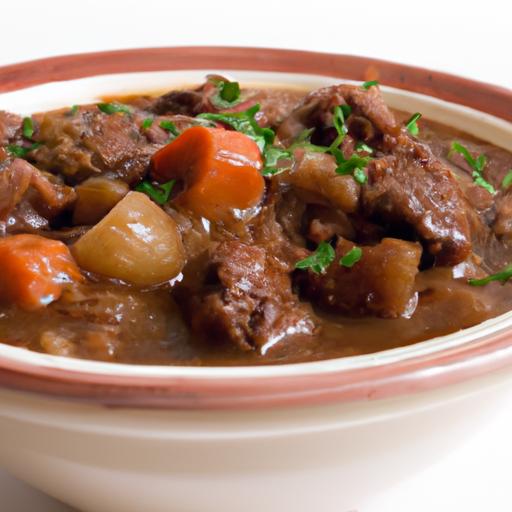

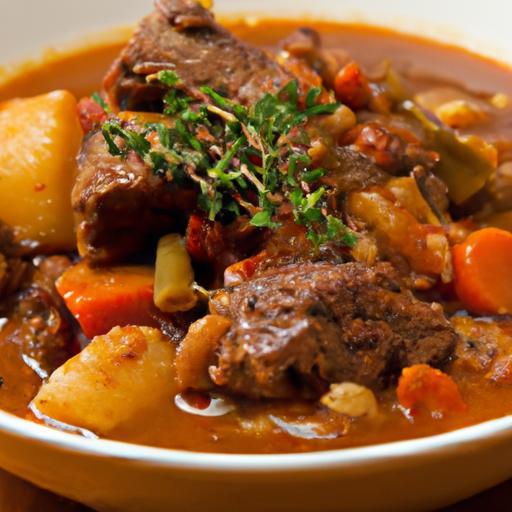
There’s something undeniably comforting about a steaming bowl of hearty old fashioned beef stew-a timeless classic that warms both the body and soul.Rooted in tradition and brimming with rich,savory flavors,this beloved dish transforms simple ingredients like tender beef,earthy root vegetables,and fragrant herbs into a symphony of nourishment. Whether enjoyed on a chilly evening or savored as a family favorite passed down through generations, old fashioned beef stew embodies the very essence of classic comfort food. In this article, we’ll explore the art of crafting the perfect beef stew, uncover its enduring appeal, and share tips to bring this iconic dish to life in your own kitchen.
hearty Old Fashioned Beef Stew serves up a warm embrace of flavors and textures, making it the quintessential comfort food that delights both the soul and the senses. This timeless dish, rooted in rustic home cooking, relies heavily on selecting the perfect cuts of beef-those that transform into melt-in-your-mouth tenderness after hours of slow simmering. Whether its a chilly evening or a family gathering, this stew offers a bowlful of nostalgic goodness that’s worth every minute of planning.
Prep and Cook Time
- Preparation Time: 30 minutes
- Cooking Time: 3 to 4 hours (slow simmering)
Yield
Serves 6 hearty portions
Difficulty level
Medium – requires patience but simple techniques
Ingredients
- 2 lbs beef chuck roast, trimmed and cut into 1 ½-inch cubes
- 1 cup all-purpose flour, sifted
- 2 tbsp vegetable oil or neutral oil
- 4 cups beef broth (low sodium preferred)
- 3 large carrots, peeled and sliced into ½-inch rounds
- 3 celery stalks, chopped
- 1 large yellow onion, diced
- 4 cloves garlic, minced
- 3 medium Yukon Gold potatoes, peeled and cut into chunks
- 2 tbsp tomato paste
- 1 tsp smoked paprika
- 3 sprigs fresh thyme
- 2 bay leaves
- Salt and freshly ground black pepper, to taste
- 2 tbsp chopped fresh parsley (for garnish)
Instructions
- prepare the beef: Toss the beef cubes in the sifted flour, ensuring each piece is evenly coated. this step creates a subtle crust and helps thicken the stew later.
- Brown the beef: Heat the vegetable oil in a large heavy-bottomed pot or Dutch oven over medium-high heat. Add beef in batches, avoiding overcrowding, and sauté until each side is golden brown-about 5 minutes per batch. Set aside browned beef on a plate.
- Sauté the aromatics: Reduce heat to medium. In the same pot, add diced onion, carrots, and celery. Cook until softened and fragrant, about 6 minutes, stirring occasionally to coax out natural sweetness.
- Add garlic and tomato paste: Stir in minced garlic and tomato paste; cook for 1-2 minutes. The tomato paste deepens the color and adds a subtle richness.
- Deglaze the pot: Slowly pour in beef broth while scraping the browned bits off the bottom of the pot-these are flavor gold.Return beef to the pot along with potatoes, smoked paprika, thyme sprigs, and bay leaves.
- Simmer low and slow: Bring to a gentle simmer,then cover and reduce heat to low. Let it cook for 3 to 4 hours, stirring occasionally. The low simmer allows flavors to concentrate and beef fibers to tenderize beautifully.
- Season and finish: After the long simmer, season with salt and pepper to taste. Remove thyme sprigs and bay leaves. For an extra velvety texture, if desired, skim excess fat from the top before serving.
Tips for Success
- Selecting the right beef: Choose cuts with good marbling and connective tissue like chuck roast for ultimate tenderness and flavor. Avoid lean cuts as they become tough.
- Make it ahead: Stews taste even better the next day after resting overnight in the fridge. Reheat gently over low heat.
- Vegetable variations: Feel free to swap potatoes with parsnips or turnips for a subtle sweet earthiness.
- Thickening tip: If your stew needs thickening, mix 1 tablespoon cornstarch with 2 tablespoons cold water and stir in last 10 minutes of cooking.
- Storage: Keeps well sealed in the refrigerator for up to 3 days.Freeze portions in airtight containers for up to 3 months.
Enhancing Fresh Herbs and Aromatics
Nothing elevates a hearty old fashioned beef stew like the fresh vibrancy of hand-picked herbs.Adding sprigs of thyme and bay leaves early in the simmer infuses subtle woodsy notes. Finish with shining chopped parsley right before serving for a burst of color and fresh flavor. For an inspired aromatic twist, try incorporating a rosemary sprig or a pinch of crushed fennel seeds to awaken the senses even further.
Serving Suggestions and Tips for a Truly Satisfying Meal
Serve this rich beef stew piping hot in deep bowls, garnished with a sprinkle of fresh parsley and a crack of black pepper. A side of rustic crusty bread or buttered egg noodles make perfect companions to soak up the luscious gravy. For extra crunch and color, consider a crisp green salad dressed simply with lemon vinaigrette.
| Nutrient | per serving |
|---|---|
| Calories | 425 kcal |
| Protein | 36 g |
| Carbohydrates | 32 g |
| Fat | 18 g |

Ready to explore more cozy classics? Check out our Classic Irish Beef Stew recipe for another slow-simmered delight. For detailed insights on beef cuts and quality, visit the Beef It’s What’s For Dinner official guide.
Q&A
Q&A: Hearty Old Fashioned Beef Stew – Classic Comfort in a Bowl
Q1: What makes an old fashioned beef stew “hearty” and comforting?
A1: The magic lies in the slow-cooked tenderness of well-browned beef, simmered to melt-in-your-mouth perfection alongside chunky root vegetables. The rich, savory broth infused with herbs wraps every spoonful in warmth, offering a nostalgic hug that’s both filling and soul-soothing.
Q2: Which cuts of beef are best suited for a conventional beef stew?
A2: Choose tougher, more flavorful cuts that benefit from long, slow cooking-think chuck roast, brisket, or round. These cuts break down slowly, releasing deep beefy flavors and yielding tender, juicy morsels that define classic stew.
Q3: What vegetables shoudl be included to capture that classic stew essence?
A3: Root vegetables are the stars here-carrots, potatoes, and celery bring earthy sweetness and hearty texture. Adding onions and garlic builds a savory foundation, while a touch of parsnip or turnip can give an intriguing, old-world twist.
Q4: How do you achieve the ideal stew consistency-thick, but not gluey?
A4: Thickening develops naturally as the collagen in beef dissolves into gelatin, tenderizing meat and enriching the broth. For extra body, a modest dusting of flour during browning or a slurry of cornstarch toward the end can enhance the stew’s luscious texture without overwhelming its rustic character.
Q5: What herbs and seasonings define the flavor profile of a classic beef stew?
A5: Simple, aromatic herbs are key-fresh or dried thyme, bay leaves, and a hint of rosemary evoke timeless comfort. Season with salt and freshly ground black pepper, and consider a splash of tomato paste for subtle acidity that balances the richness.
Q6: How long should a beef stew be cooked to reach perfection?
A6: Patience is essential. simmer the stew gently for at least 2 to 3 hours. Low and slow heat ensures the beef becomes tender and the flavors meld deeply. The gentle bubbling also encourages the broth to thicken and develop that signature old fashioned depth.
Q7: Are there any tips to enhance the stew’s flavor without complicating the recipe?
A7: Yes! Browning the beef well before simmering creates rich, caramelized notes. Sauté the vegetables in the same pot to absorb those savory browned bits. And letting the stew rest off heat for a few minutes before serving helps the flavors settle beautifully.
Q8: Can this classic beef stew be adapted for modern dietary preferences?
A8: Absolutely. To keep it hearty but lighter, use a leaner beef cut and add extra vegetables like mushrooms or fennel for depth without heaviness. Using homemade or low-sodium broth keeps control over seasoning, preserving tradition with a contemporary mindful twist.
Q9: What’s the best way to serve a hearty old fashioned beef stew?
A9: Serve it steaming hot in a wide bowl, ideally with crusty bread or buttery mashed potatoes to soak up every drop of the luscious jus. A sprinkle of fresh parsley or chives adds a pop of color and freshness that balances the richness.
Q10: How well does beef stew keep, and can it be frozen?
A10: Beef stew often tastes even better the next day as flavors mellow. Refrigerate in an airtight container for up to 3 days. It freezes beautifully for up to 3 months-just thaw gently and reheat slowly on the stove to maintain that tender, satisfying texture.
This Q&A celebrates the soul of old fashioned beef stew-a timeless bowl of comfort, rich in tradition and flavor, crafted for moments when you crave warmth and heartiness.
Concluding Remarks
As the aroma of tender beef and root vegetables simmers gently in your kitchen, you’re reminded why hearty old fashioned beef stew remains a timeless classic.This simple yet satisfying dish offers more than just nourishment-it’s a warm embrace on a chilly day, a celebration of traditional cooking, and a flavorful testament to the art of slow-simmered comfort. Whether served by a crackling fire or enjoyed at a bustling family table, each spoonful invites you to savor the rich layers of history and homestyle goodness. So next time you crave a bowl that feels like a hug from the past, reach for this beloved stew and experience classic comfort in its most tasty form.