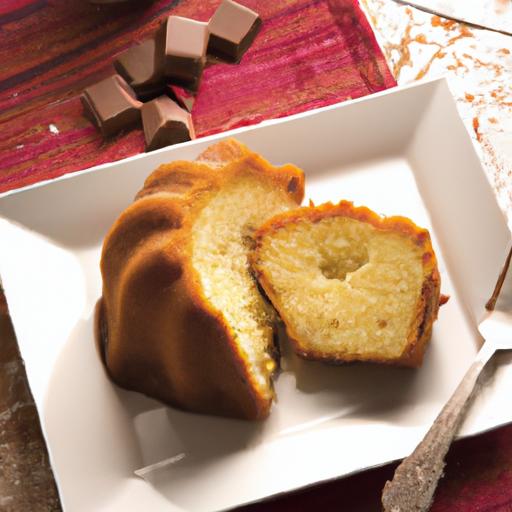

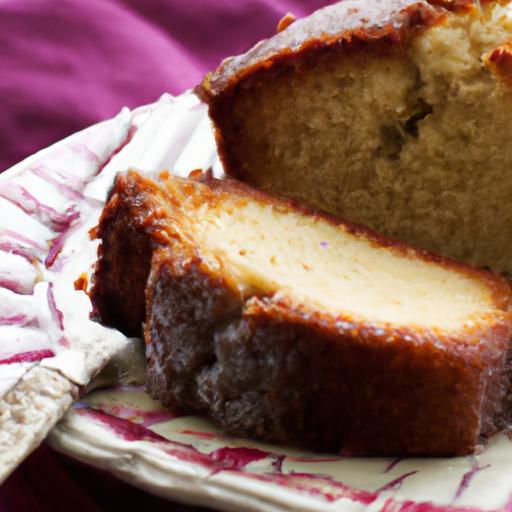
There’s something quietly magical about olive oil when it steps beyond the savory realm and into the world of desserts. Olive oil cake, with its tender crumb and subtly fruity notes, offers a delightful twist on classic sweet treats that have long relied on butter or vegetable oils. This moist, aromatic cake invites a fresh perspective on baking, combining healthful goodness with indulgent flavor. In this article, we’ll explore how olive oil transforms a simple cake into an unusual experience-moist, flavorful, and effortlessly elegant-challenging the way we think about dessert one bite at a time.
Olive Oil Cake offers a unique, luscious experience that transcends ordinary desserts. Its origins trace back to the sun-drenched Mediterranean, where olive oil has long been a kitchen staple, treasured not only for savory dishes but for imparting a subtle fruity richness and exceptional moisture in baked goods. This cake’s delicate crumb and fragrant profile are what make it a favorite for those seeking a refined yet comforting sweet treat.
Prep and Cook Time
- Readiness: 15 minutes
- Baking: 40-45 minutes
- Total time: Approximately 1 hour
Yield
Serves 8-10 generous slices
Difficulty Level
Easy – perfect for both beginner bakers and seasoned pros craving a fresh twist on classic desserts
Ingredients
- 1 ½ cups all-purpose flour, sifted
- 1 teaspoon baking powder
- ½ teaspoon baking soda
- ¼ teaspoon fine sea salt
- ¾ cup extra virgin olive oil (choose a fruity, mild variety for baking)
- 1 cup granulated sugar
- 3 large eggs, at room temperature
- ½ cup whole Greek yogurt (or plain yogurt)
- 1 tablespoon finely grated lemon zest (about 1 lemon)
- 3 tablespoons fresh lemon juice
- 1 teaspoon pure vanilla extract
- Powdered sugar, for dusting (optional)
Instructions
- Preheat your oven to 350°F (175°C). Lightly grease a 9-inch springform pan with olive oil and line the base with parchment paper.
- In a medium bowl, sift together the all-purpose flour, baking powder, baking soda, and salt to ensure an even rise and a tender crumb.
- In a large mixing bowl, whisk the granulated sugar and extra virgin olive oil until they form a smooth, glossy mixture – this helps incorporate air for lightness.
- Add the eggs one at a time, whisking well after each addition to emulsify the batter thoroughly, which enhances texture.
- Mix in the Greek yogurt, lemon zest, lemon juice, and vanilla extract. This combination introduces brightness and tang to balance the richness.
- Gently fold the dry ingredients into the wet mixture using a spatula. Combine just until the batter is smooth – avoid overmixing to maintain tenderness.
- Pour the batter into the prepared pan and smooth the top with a spatula. Tap the pan gently to release any trapped air bubbles.
- Bake for 40-45 minutes or until a toothpick inserted in the center comes out clean and the edges are golden brown. The olive oil creates a moist texture that stays soft even when cooled.
- Allow the cake to cool in the pan for 15 minutes, then transfer it to a rack to cool fully.
- Dust with powdered sugar before serving or garnish with fresh berries and a drizzle of honey for added elegance.
Chef’s Notes and Tips for Success
- Olive Oil Selection: Opt for a fruity, mild extra virgin olive oil when baking. Robust or peppery oils can overpower the cake’s delicate flavor.
- Substitutions: You can replace Greek yogurt with sour cream or buttermilk for similar moisture and tang.
- Flour Alternatives: For a gluten-free version, substitute all-purpose flour with a gluten-free blend that includes xanthan gum.
- Lemon Variations: Orange zest and juice create a warm, sweeter aroma which pairs beautifully with the olive oil complexity.
- Make-Ahead: The cake keeps beautifully for 2 days at room temperature in an airtight container or up to 4 days refrigerated, perfect for prepping ahead of gatherings.
- Texture Tip: Whisking sugar and olive oil ensures the cake’s crumb stays ultra moist and tender, a delightful departure from butter-based cakes.
Serving Suggestions
Serve this olive oil cake slightly warm or at room temperature with a dusting of powdered sugar. For an elevated presentation, add a dollop of lightly whipped cream or mascarpone whipped with a touch of honey and vanilla. Fresh seasonal berries-such as raspberries or blueberries-bring a refreshing contrast and bursts of color that make each slice stunning and inviting.
For brunch or teatime, accompany slices with a sprig of fresh mint or thyme. A drizzle of high-quality honey or a citrus glaze can also amplify the natural fruitiness of the olive oil.

Nutrition Information
| Nutrient | Per Serving (1 slice) |
|---|---|
| Calories | 280 |
| Protein | 4 g |
| Carbohydrates | 32 g |
| Fat | 15 g |
Discover more delightful baked goods like this in our Moist Cakes Collection, a treasure trove for all cake lovers.
Q&A
Q&A: Olive Oil Cake – A Moist Twist on Classic Sweet Treats
Q: What makes olive oil cake different from traditional butter-based cakes?
A: Olive oil cake replaces butter with olive oil, creating a uniquely moist and tender crumb. The oil’s liquid form at room temperature allows it to evenly coat flour proteins, resulting in a softer texture. Plus, olive oil adds a subtle fruity and peppery complexity that elevates the cake beyond simple sweetness.
Q: Can extra virgin olive oil be used, or should I opt for a milder version?
A: Both work, but extra virgin olive oil lends a richer flavor with fruity and grassy notes that complement citrus or almond accents beautifully. If you prefer a gentler taste, go for a lighter or mild olive oil.Choosing the right oil depends on how prominent you want the olive oil’s character to be in your cake.
Q: Is olive oil cake suitable for all kinds of occasions?
A: Absolutely! Olive oil cake strikes a lovely balance between rustic and elegant, making it perfect for casual afternoon teas, brunches, or even special celebrations. Its moist texture and nuanced flavor make it a crowd-pleaser, whether served plain, dusted with powdered sugar, or paired with fresh berries and whipped cream.
Q: How do citrus elements enhance an olive oil cake?
A: Citrus zest and juice, like lemon or orange, brighten the cake’s flavor by cutting through the richness of the oil. They add a fresh, zesty note that balances sweetness and deepens the cake’s aromatic profile, creating a lively, sun-kissed character that complements olive oil’s natural fruitiness.
Q: can I make a gluten-free version of olive oil cake?
A: Yes! Olive oil cake adapts wonderfully to gluten-free flours such as almond flour, rice flour, or a gluten-free baking blend. Because of its moist texture, olive oil helps prevent the cake from becoming too dry, a common challenge in gluten-free baking.
Q: What are some creative twists to try with olive oil cake?
A: Think beyond the classic by incorporating ingredients like toasted nuts, fresh or dried fruits, spices like cardamom or cinnamon, or a swirl of honey or chocolate. You can also infuse the olive oil with herbs like rosemary or thyme for a elegant herbal note that pairs beautifully with the cake’s natural richness.
Q: How should I store olive oil cake to keep it moist?
A: Olive oil cake stays moist longer than butter cakes, but it’s best stored in an airtight container at room temperature for up to three days.For longer storage, wrap it tightly and refrigerate for up to a week-or freeze slices for up to three months, thawing gently before serving.
Q: Is olive oil cake a healthy choice to other cakes?
A: While still a sweet treat,olive oil cake benefits from the heart-healthy fats found in olive oil,which include antioxidants and anti-inflammatory properties. It generally uses fewer saturated fats than butter-based cakes, making it a slightly lighter option that doesn’t sacrifice flavor or texture.
Q: What texture can I expect from an olive oil cake?
A: Expect a tender, moist crumb with a slight density that feels rich but not heavy. The olive oil creates a softness reminiscent of a delicate pound cake, yet the cake remains light enough to pair wonderfully with a variety of toppings or enjoy on its own.
Q: Can olive oil cake be baked in different shapes or sizes?
A: Definitely! Olive oil cake is versatile and bakes well in round, loaf, bundt, or even muffin tins.Adjust baking times accordingly, keeping an eye on color and toothpick tests, and enjoy the cake’s delicious texture no matter the shape.
In Retrospect
In the world of desserts, olive oil cake stands out as a delightful revelation-a harmonious blend of tradition and innovation that redefines what a sweet treat can be. Its tender crumb, kissed by the fruity richness of olive oil, offers a moistness that invites you back for just one more bite. Whether enjoyed with a dusting of powdered sugar, a drizzle of honey, or alongside fresh berries, this cake embodies the lovely balance of simple ingredients transformed into something extraordinary. So next time you’re craving a dessert that’s both familiar and refreshingly different, consider reaching for olive oil cake-a moist twist that invites you to savor sweetness in a whole new light.