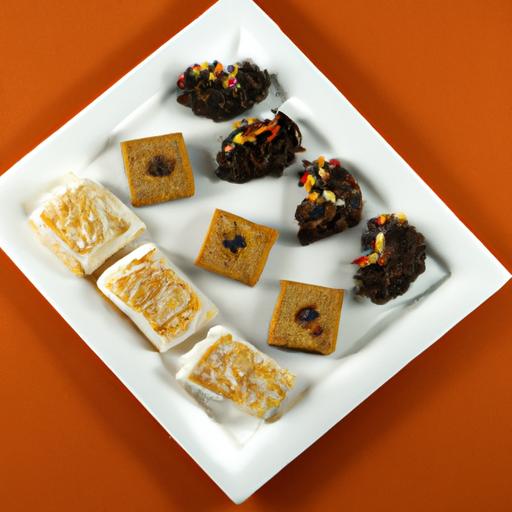

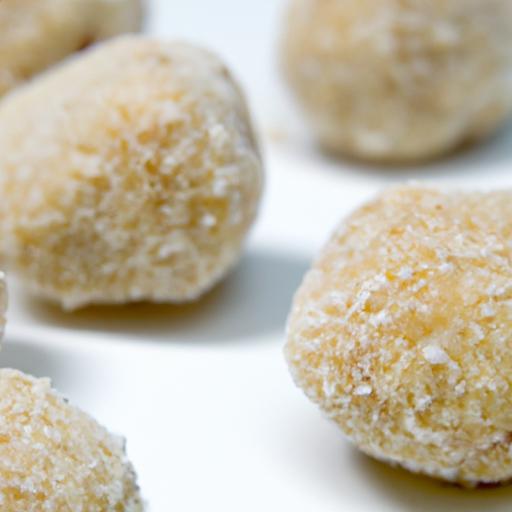
In teh heart of Mediterranean autumns, where golden leaves crunch beneath your feet and the air carries the scent of chestnuts roasting, a treasured tradition takes center stage: the making of panellets. These charmingly bite-sized almond treats,kissed with a glossy coat of pine nuts or adorned with sweet hints of coconut and chocolate,are more than just confections-they are edible stories passed down through generations. In this guide, ”Sweet Traditions: A Step-by-Step panellets Recipe guide,” we invite you to embark on a culinary journey that unravels the secrets of crafting these delightful pastries. Whether you’re a seasoned baker or a curious beginner, prepare to fill your kitchen with warmth, nostalgia, and the irresistible aroma of Catalonia’s sweetest heritage.
Sweet Traditions: A Step-by-Step Panellets Recipe Guide invites you to explore the rich heritage behind one of Catalonia’s most beloved confections. Panellets, with their delicate almond base and glistening pine nut coating, have graced Catalan tables for centuries, especially during the festive All Saints’ Day (la Castanyada).This intimate tradition connects families over a sweet shared history,evoking memories of autumnal gatherings filled with warmth,chestnuts,and laughter.
Origins and Cultural Meaning of Panellets in Catalan Celebrations
Panellets originated centuries ago in Catalonia and the Balearic Islands,celebrated as a symbol of family unity and remembrance during La Castanyada. These tiny, handcrafted sweets were traditionally consumed alongside roasted chestnuts and sweet potatoes as Catalan households honored ancestors. Panellets embody more than just a delicious treat-they are a tactile link to the past, representing craftsmanship, care, and community spirit. Their almond-based dough and pine nut topping honor the Mediterranean landscape, showcasing local ingredients and artisanal traditions.
Prep and Cook Time
- Preparation Time: 30 minutes
- Resting/Chilling Time: 1 hour
- Baking Time: 10-12 minutes
Yield
Approximately 30 classic pine nut panellets (depending on size)
Difficulty Level
medium: Requires some hands-on shaping and attention to detail but approachable for motivated home bakers.
Essential Ingredients and Tips for achieving the Perfect Sweet Texture
- 1 ¾ cups (175 g) almond flour, finely ground
- 1 cup (200 g) granulated sugar
- 2 large eggs, separated
- Zest of 1 lemon (preferably organic, for brightness)
- 1 cup (120 g) pine nuts
- A pinch of salt
- optional: 1 tablespoon honey (for natural sweetness and moisture)
To create the perfectly sweet and tender texture that defines authentic panellets, it’s crucial to balance the almond flour and sugar precisely and to handle the dough gently. Using fresh, high-quality almond flour ensures a delicate crumb, while incorporating just the right egg yolk amount helps bind the mixture without heaviness. The pine nuts, toasted lightly beforehand for optimal aroma, crown each little ball with a satisfying crunch and gentle nutty flavor.
Step-by-Step Preparation Guide for Classic Pine Nut Panellets
- Prepare your workspace: Lightly grease a baking sheet or line it with parchment paper. Toast pine nuts in a dry skillet over medium heat for 3-5 minutes, stirring ofen until golden and fragrant. Set aside to cool.
- Mix dry ingredients: In a medium bowl, combine almond flour, granulated sugar, lemon zest, and salt. Stir until well blended.
- Whisk egg whites: In a separate bowl, beat the egg whites until they form soft peaks. This aerates the dough, giving it a lighter texture.
- incorporate the yolk: Lightly beat one egg yolk and reserve it for brushing. Add the second yolk to the almond mixture along with the optional honey. Mix thoroughly to form a moist but firm dough.
- Fold in egg whites: Gently fold the beaten egg whites into the almond dough, careful not to deflate the mixture. The dough should be soft yet pliable.
- Shape the panellets: With damp hands, form small walnut-sized balls. Roll each ball in the toasted pine nuts, pressing gently but firmly to adhere the nuts evenly.
- Brush and bake: Place the pine nut-covered balls onto the baking sheet, brush each lightly with the reserved egg yolk for a lovely golden finish.
- Bake: Preheat the oven to 350°F (175°C).Bake the panellets for 10-12 minutes or until they are golden but not browned.Remove immediatly and let cool on a wire rack.
Creative Variations and Presentation Ideas to Elevate Your Panellets Experience
While the classic pine nut panellets shine with their simple elegance, Sweet Traditions: A Step-by-Step Panellets Recipe Guide encourages culinary creativity. Consider these inspired twists:
- Cocoa and orange zest panellets: Add 1 tablespoon cocoa powder and orange zest to the dough, coating the balls with slivered almonds instead of pine nuts for a vibrant flavor contrast.
- Coconut-coated panellets: Roll dough balls in toasted shredded coconut for tropical flair and a chewy exterior.
- Espresso-infused panellets: Stir 1 teaspoon finely ground espresso into the dough, complementing the sweetness with subtle coffee notes, then coat with chopped walnuts.
- Presentation tip: Arrange panellets on elegant ceramic platters lined with parchment paper. Garnish with fresh edible flowers or citrus slices for a visually stunning autumn-inspired dessert table centerpiece.
Chef’s Notes: Tips for Success
- Dough consistency: If the dough feels too sticky, chill it for 15-20 minutes before shaping.
- Egg allergy substitute: Use aquafaba (chickpea water) whipped to soft peaks as an egg white alternative for vegan panellets.
- Make-ahead: The dough can be refrigerated for up to 2 days, wrapped tightly in plastic to prevent drying.
- Storage: Store baked panellets in an airtight container at room temperature for up to one week; refrigerate if humid.
Serving Suggestions
Panellets are traditionally enjoyed with sweet Moscatel or a refreshing herbal tea such as rosemary or chamomile. Serve alongside roasted chestnuts for an authentic Catalan experience. To highlight their beauty, place them in small cupcake liners or on decorative wooden platters. A dusting of powdered sugar or a drizzle of honey can add subtle sweetness and an inviting sheen. Consider pairing with seasonal fruits like figs or pomegranate seeds for added color and flavor contrast.
| Nutrient | Per Panellet (Approx.) |
|---|---|
| Calories | 70 kcal |
| Protein | 2 g |
| Carbohydrates | 7 g |
| Fat | 4.5 g |

Discover more Mediterranean festive recipes in our Mediterranean Harvest collection and deepen your culinary repertoire.
Q&A
Q&A: Sweet traditions – A Step-by-Step Panellets Recipe Guide
Q1: What are panellets and why are they critically important in Catalan culture?
A: Panellets are customary Catalan sweet treats typically enjoyed during the All Saints Day celebration, known as La Castanyada. These bite-sized marzipan confections are often adorned with pine nuts, offering a delicate crunch atop a soft, almond-flavored base. Beyond their delightful taste, panellets embody the cozy spirit of autumn and the warmth of shared family traditions, connecting generations through their unique preparation and joyful consumption.
Q2: What are the basic ingredients needed to make classic panellets?
A: At their heart, classic panellets rely on a handful of simple, wholesome ingredients: ground almonds, sugar, eggs, and lemon zest. Pine nuts crown the final creation, adding texture and an aromatic hint. These pantry staples come together beautifully to craft a sweet that’s both luxurious and accessible.
Q3: Is it tough to make panellets at home for the first time?
A: Not at all! While panellets might seem intricate due to their decorative nature, the process is straightforward when broken down into clear, manageable steps.With a little patience and care, even novice bakers can achieve the perfect balance of moist almond dough and golden-pine nut glaze. This recipe guide simplifies each stage, ensuring success with every batch.
Q4: How can I ensure my panellets have the perfect texture?
A: The secret lies in the balance between moisture and dryness. Using finely ground almonds and just the right amount of egg whites will keep the dough soft but pliable. Avoid overworking the mixture, and let it rest briefly if needed. When baking, keep an eye to prevent over-browning, so they remain tender inside with a gentle crust outside.
Q5: Can panellets be customized with flavors other than the classic pine nut topping?
A: Absolutely! While pine nuts are iconic, panellets invite creativity. Popular variations include coatings of toasted coconut, crushed pistachios, or cocoa powder. Incorporating flavors like orange zest, cinnamon, or even a hint of vanilla into the dough can add exciting layers of taste. The key is to maintain the almond-marzipan base while exploring new complementary flavors.
Q6: What’s the best way to store panellets to preserve their freshness?
A: Once cooled,store panellets in an airtight container at room temperature.They keep wonderfully for several days, allowing their flavors to mature and meld. Avoid refrigeration,as this can dry them out. For longer storage, gently wrapping them in parchment paper before placing in a container helps maintain their delicate texture.
Q7: are panellets gluten-free and suitable for those with certain dietary restrictions?
A: Panellets are naturally gluten-free since they don’t contain wheat flour or other gluten-containing ingredients. They center around almonds and sugar, making them a delightful option for those seeking gluten-free sweets. Though,always double-check ingredient labels and avoid cross-contamination if preparing for individuals with severe allergies.
Q8: What makes panellets a perfect sweet for festive gatherings?
A: Their small size and beautiful appearance make panellets ideal for sharing during celebrations. Their blend of nutty sweetness and crisp topping offers a comforting, nostalgic bite that sparks conversation and joy. Plus, crafting panellets together can be a cherished communal experience, enriching any festive occasion with warmth and tradition.
This Q&A serves as a flavorful introduction to the art of making panellets, highlighting their cultural roots, practical tips, and inviting creativity-all without compromising dietary preferences or traditions. Enjoy your homemade journey into this sweet catalan legacy!
Concluding Remarks
As you savor the last bite of these delightful panellets, you’re not just enjoying a sweet treat-you’re partaking in a rich tradition that has been lovingly passed down through generations. With this step-by-step guide in hand, you’ve unlocked the secrets to creating these charming almond confections that brighten autumnal celebrations and bring families together. Whether you’re a seasoned baker or a curious newcomer, embracing the art of panellets invites you to celebrate heritage, warmth, and the simple joy of homemade sweets. So go ahead-whisk,shape,and bake your way to a delicious memory that’s as sweet as the traditions it honors.