
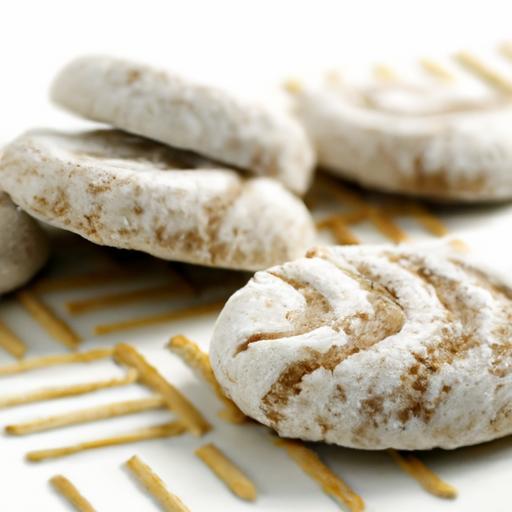
In the world of confections, few treats capture the heart and history of a culture quiet like the humble polvorón. These crumbly, melt-in-your-mouth Spanish shortbread cookies, dusted luxuriously with powdered sugar, are more than just a sweet indulgence-they are a centuries-old tradition wrapped in buttery, nutty simplicity. Whether enjoyed during festive celebrations or as an everyday delight with a cup of coffee, polvorones embody the warmth and charm of Spanish culinary heritage. in this article, we unravel the secrets behind the perfect polvorones recipe, inviting you to discover how this sweet Spanish delight can bring a little sunshine and nostalgia to your kitchen.
Perfect Polvorones Recipe brings you the timeless Spanish cookie that captivates with its crumbly, melt-in-your-mouth texture and delicate sweetness. Originating from Andalusia, these delightful treats have been a festive staple for centuries, embodying a perfect balance of butter, flour, and nuts. Whether enjoyed with afternoon tea or as a holiday indulgence, mastering this recipe means unlocking the secret to irresistibly tender polvorones with a powdery finish that melts on the tongue.
Prep and Cook Time
- Readiness: 20 minutes
- Cooking: 15 minutes
- Total: 35 minutes
Yield
- Approximately 20 medium-sized polvorones
Difficulty Level
- Easy to medium – perfect for home bakers aiming for authentic results
Ingredients
- 1 cup all-purpose flour, sifted and lightly toasted
- ½ cup finely ground almonds (or substitute with hazelnuts for a personal twist)
- ½ cup unsalted butter, softened at room temperature
- ⅓ cup powdered sugar, plus extra for dusting
- 1 teaspoon vanilla extract or the seeds of ½ a vanilla bean for intense flavor
- ¼ teaspoon ground cinnamon (optional, yet traditional)
- Pinch of salt
Step by Step Guide to Achieving the Ideal Powdery Texture
- Toast the flour: Spread the sifted flour evenly on a baking sheet. Toast it in a preheated oven at 300°F (150°C) for about 10 minutes until it reaches a pale golden color. This step is crucial for developing a characteristic nutty aroma and preventing the raw flour taste.
- Mix the dry ingredients: in a large bowl, whisk together the toasted flour, finely ground almonds, powdered sugar, ground cinnamon, and a pinch of salt. This ensures even distribution of flavors and texture.
- Cream the butter and vanilla: Using a stand mixer or hand whisk, beat the softened butter with the vanilla extract until it becomes pale and fluffy-about 3 minutes. This aeration creates the tender crumb.
- Combine dry and wet components: gradually add the dry mixture into the creamed butter, folding gently with a spatula. The dough will come together but remain slightly crumbly,which is the desired consistency for polvorones.
- Shape the cookies: Take small portions of dough (~1.5 tablespoons), roll into balls, then flatten slightly into discs. Place them on a parchment-lined baking sheet, spaced enough to avoid sticking.
- Bake: Bake at 325°F (160°C) for 12-15 minutes. the edges should turn just golden while the centers remain pale.Overbaking can lead to dryness, so keep a close eye.
- Cool and dust: Remove from oven and let cookies cool completely on a wire rack.Once cooled, generously dust with powdered sugar to enhance that classic, powdery finish.
Tips for Adding Personal Twists Without Losing Authenticity
- Nut Variations: Swap almonds for toasted hazelnuts, pistachios, or walnuts - just be sure to grind them finely to maintain texture.
- Flavor Infusions: Add a teaspoon of orange zest or a splash of brandy to elevate the profile while respecting tradition.
- Sweetener Alternatives: Use coconut sugar powder for a deeper caramel nuance but keep the powdered sugar dusting for that signature look.
- Gluten-Free Adaptation: Substitute with gluten-free flour blends paired with almond flour to keep the delicate crumb intact.
- Storage Tip: Store in an airtight tin layered with parchment to prevent moisture from compromising that irresistible powdery texture.
Serving Suggestions and Perfect Pairings for Your Polvorones
These tender cookies shine when served alongside classic Spanish hot chocolate or a robust cup of espresso. Garnish your serving platter with sprigs of fresh rosemary or a scattering of edible flowers to add visual appeal. For a festive touch, dip half of each polvoron in melted dark chocolate and sprinkle crushed nuts before the chocolate sets-this adds a luxurious texture contrast while honoring the original’s simplicity.
Pair with fresh figs or a drizzle of honeyed manchego cheese for a quintessentially Spanish grazing board experiance. Whether enjoyed at a cozy afternoon gathering or as a sweet finale to a meal, polvorones invite moments of indulgent nostalgia with every bite.

| nutritional Info (per cookie) | Amount |
|---|---|
| Calories | 120 kcal |
| Protein | 2 g |
| Carbohydrates | 12 g |
| Fat | 7 g |
For a deeper dive into traditional Spanish sweets, check out our Spanish Desserts Guide and explore the heritage behind each bite. To understand the science that makes flour toasting essential, visit King Arthur Baking’s expert article.
Q&A
Q&A: Perfect Polvorones Recipe – A Sweet Spanish Delight uncovered
Q1: What exactly are polvorones?
A1: Polvorones are traditional Spanish shortbread cookies known for their crumbly, melt-in-your-mouth texture. Made primarily from flour, sugar, and lard or butter, they’re often dusted generously with powdered sugar, leaving a delicate snowy finish. Originating from andalusia, these sweet treats are a beloved staple during Spanish Christmas celebrations but are enjoyed year-round by many.
Q2: What makes polvorones different from othre shortbreads or cookies?
A2: The magic lies in their unique crumbly texture – ”polvorón” literally means “powdery” in Spanish. Unlike typical shortbreads, polvorones incorporate ground almonds or sometimes cinnamon, adding subtle layers of flavor. Their signature dusting of powdered sugar also gives them a distinct sweetness and a stunning visual appeal that’s hard to resist.
Q3: What are the key ingredients for perfect polvorones?
A3: For genuinely authentic polvorones, you’ll need all-purpose flour, powdered sugar, ground almonds (or almond flour), lard or butter, and a pinch of cinnamon or anise seed for aromatic depth. The quality of these ingredients, especially the fat and almonds, greatly influences the cookie’s texture and taste.
Q4: Can I substitute butter for lard in the recipe?
A4: Absolutely! While traditional recipes use lard for its richness and crumbly texture, butter is a common modern substitute that still yields delicious results. Just keep in mind that lard produces a slightly lighter and more delicate cookie, whereas butter gives a richer flavor and a bit more chewiness.
Q5: How do I achieve that perfectly crumbly, melt-in-the-mouth texture?
A5: The key is gentle mixing and precise baking. Overworking the dough activates gluten, making the cookies tough rather than tender. Also, baking at a moderate temperature until just lightly golden ensures they don’t dry out. cooling the polvorones fully before dusting them with powdered sugar helps maintain their signature texture.
Q6: Is it necesary to chill the dough before baking?
A6: Chilling the dough isn’t strictly required but is highly recommended. It helps the fats solidify,resulting in a more manageable dough that’s less sticky and easier to shape. plus, it prevents spreading during baking, keeping your polvorones perfectly round and thick.
Q7: How should polvorones be stored?
A7: Keep polvorones in an airtight container at room temperature.They generally stay fresh for up to two weeks. Interestingly, they often taste even better after a day or two as the flavors meld and the texture softens slightly. Just be sure to dust them with powdered sugar right before serving for that classic snowy finish.
Q8: Can I experiment with flavors in polvorones?
A8: Definitely! While the classic recipe is enchanting on its own, many bakers incorporate lemon zest, orange blossom water, or even cocoa powder for a twist. Just remember not to overwhelm the delicate balance of flavors-the star should always be that tender, crumbly bite dusted with sugar.
Q9: Are polvorones gluten-free?
A9: Traditional polvorones use wheat flour, so they aren’t gluten-free.Though, with some experimentation, you can substitute gluten-free flour blends and still achieve a tasty result. Keep in mind that alterations can effect texture,so it might take a few tries to perfect your version.
Q10: Where can I best enjoy polvorones outside of Spain?
A10: Many Spanish bakeries worldwide bake polvorones, especially around the holidays. They’re also popular in Latin American countries where Spanish tradition prevails. if you can’t find them locally, baking your own with this recipe will transport your taste buds straight to a cozy Spanish kitchen filled with warmth and festive aromas.
With these insights, you’re now ready to uncover the secret behind perfect polvorones – a sweet Spanish delight that captures the heart of a tradition and the joy of sharing simple pleasures.Happy baking!
Future Outlook
As you savor the final crumb of these perfect polvorones, you’re not just enjoying a cookie-you’re partaking in a storied Spanish tradition that has delighted sweet lovers for generations. This humble yet irresistibly crumbly treat carries with it the warmth of festive gatherings, the richness of cultural heritage, and the simple joy of homemade goodness. With this recipe in your culinary repertoire, you can bring a slice of Spain’s sweet soul right to your own kitchen, one melt-in-your-mouth bite at a time. So go ahead, share these polvorones with friends and family, and let their charming sweetness inspire new memories and celebrations long after the last cookie disappears.