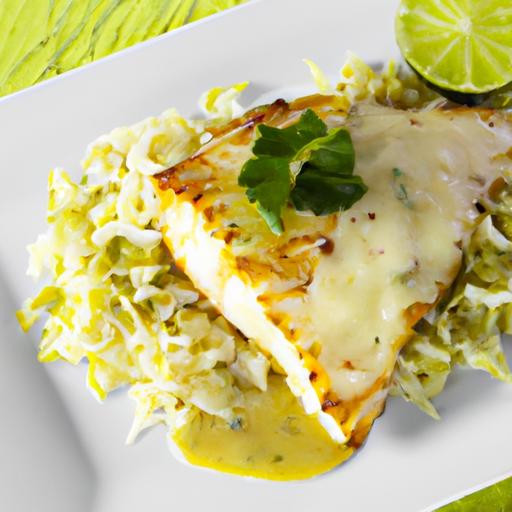

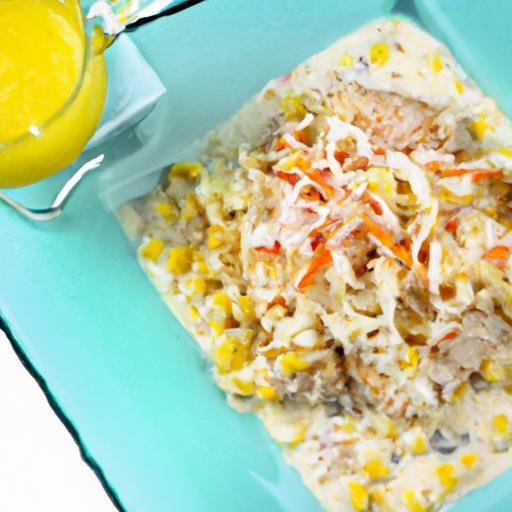
imagine a dish that captures the vibrant spirit of the Caribbean-where sun-soaked shores meet a tapestry of bold, exotic flavors. Welcome too the world of Dominican Pescado con Coco, a culinary treasure that marries the fresh catch of the sea with the luscious creaminess of coconut milk. This tropical delight is more than just a meal; it’s a vibrant journey through the dominican Republic’s rich coastal traditions, blending indigenous ingredients and Afro-Caribbean influences into a harmonious symphony of taste. In this article, we’ll dive deep into the origins, planning, and cultural significance of Pescado con Coco, inviting you to savor the essence of island life one flavorful bite at a time.
Origins and Cultural Significance of Dominican Pescado con Coco
Tropical Delight: Exploring Dominican Pescado con Coco opens a window to one of the Caribbean’s most treasured culinary gems. Rooted deeply in the coastal regions of the Dominican republic, this dish reflects the island’s rich history as a melting pot of African, Spanish, and Taíno influences. Pescado con Coco, or fish in coconut sauce, is more than just a recipe-it is indeed a symbol of the sea’s bounty and the tropical abundance that defines Dominican culture. this warm, creamy dish is often served at festive occasions and family gatherings, evoking nostalgic memories of seaside markets and ocean breezes, where the freshest catch interacts beautifully with sweet, velvety coconut milk.
Traditionally, Dominican pescadores (fishermen) paired their fresh ocean harvests with local coconut groves, creating a natural harmony that celebrates indigenous ingredients and Afro-Caribbean culinary traditions. The dish’s balance of creamy coconut and gently spiced fish embodies the slow, soulful cooking that characterizes Dominican home kitchens, offering a tropical delight that satisfies both palate and spirit.
key Ingredients and Flavor Profiles that Define the Dish
At the heart of this dish lie fresh, firm white fish fillets-commonly grouper, snapper, or tilapia-and rich coconut milk extracted from mature coconuts.These create a luscious base infused with island warmth. Complementing these are fragrant aromatics like garlic, onion, and scotch bonnet pepper for a gentle heat that never overpowers. A tender squeeze of lime juice brings a citrusy brightness, cutting through the richness, while freshly chopped cilantro adds herbal freshness.
The flavor profile is a beautifully composed melody: the subtle sweetness of coconut milk melds seamlessly with the ocean-fresh fish, while the slight kick of chili and the earthiness of herbs anchor the dish in tropical authenticity.Earthy tomato notes and a touch of salt balance everything,creating layers of flavor that unfold with each bite.
Step-by-Step Guide to Preparing Authentic Pescado con Coco
Prep and Cook Time
- Prep Time: 15 minutes
- Cook Time: 25 minutes
Yield
- Serves 4 people generously
Difficulty Level
- Medium – requires attention to timing and layering flavors
Ingredients
- 1.5 lbs white fish fillets (grouper,snapper,or tilapia),skin removed and cut into 4 large pieces
- 2 cups coconut milk (preferably fresh or high-quality canned,shaken well)
- 1 medium white onion,finely chopped
- 3 cloves garlic,minced
- 1 medium ripe tomato,diced
- 1 fresh scotch bonnet pepper,whole (pierced) or finely chopped (optional to adjust heat)
- 1 tablespoon olive oil
- Juice of 1 lime
- 1 teaspoon sea salt,adjust to taste
- 1/2 teaspoon freshly ground black pepper
- 1/2 teaspoon ground cumin
- 1/4 cup fresh cilantro,chopped
- 1 cup water or fish stock
Instructions
- Prepare the fish: Rinse fish pieces under cold water and pat dry with paper towels. Season lightly with salt, pepper, and half the lime juice.Set aside while you prepare the sauce.
- Sauté aromatics: Heat olive oil in a deep skillet over medium heat. add chopped onion and sauté until translucent, about 5 minutes. Stir in garlic and cook for another 1 minute until fragrant,stirring frequently to avoid burning.
- Add tomatoes and spices: Stir in diced tomatoes,cumin,and remaining salt and pepper. Cook gently for 4-5 minutes until the tomatoes soften and release their juices.
- Simmer with coconut milk: Pour in the coconut milk and water or fish stock, stirring gently to combine. Add the whole scotch bonnet pepper if you desire a mild heat infusion; remove before serving.Bring the mixture to a gentle simmer over medium-low heat.
- Cook the fish: Carefully nestle the fish fillets into the simmering sauce. Cover and cook for about 12-15 minutes,spooning sauce over the fish occasionally. The fish is done when it flakes easily with a fork and remains moist.
- Finish and season: Remove the scotch bonnet pepper (if used), squeeze the remaining lime juice over the dish, and sprinkle chopped cilantro on top. Gently stir without breaking up the fillets.
- Serve warm: Transfer fish and sauce to a serving dish. Garnish with extra cilantro leaves and lime wedges for a vibrant presentation.
Pairing Suggestions and Serving Tips for a Tropical Dining Experience
For an authentic dining experience that complements your Dominican Pescado con Coco, serve alongside fluffy white rice or fragrant coconut rice, which soaks up the luscious sauce beautifully. A side of fried plantains (tostones or maduros) brings the perfect textural contrast of crispiness and sweetness to the plate.
Freshly sliced avocado and a crisp green salad dressed with lime vinaigrette add brightness and fresh crunch, balancing the creamy richness. For beverages, chilled tropical fruit juices like guava or passion fruit create a harmonious flavor pairing, or sip on a sparkling agua fresca infused with mint and lime for a refreshing palate cleanser.
Plating tip: Use vibrant ceramic or bamboo dishes to echo the Caribbean vibe and sprinkle finely chopped cilantro and thin lime slices on top for a visually enticing tropical touch.
Tips for Success
- freshness matters: Use the freshest fish possible to keep the texture firm and flavors pure.
- Balance the heat: Scotch bonnet pepper adds authentic heat but start with a small piece; you can always remove it to tame the dish.
- Coconut milk consistency: Shake canned coconut milk well before measuring or stir fresh milk for better creaminess and flavor integration.
- Make ahead: Prepare the sauce base a day before and refrigerate. Add fresh fish and finish cooking just before serving for maximum freshness.
- Vegetarian variation: Substitute fish with firm tofu or heart of palm for a plant-based tropical delight.
| Nutrient | Per Serving (approx.) |
|---|---|
| Calories | 320 kcal |
| Protein | 28 g |
| Carbohydrates | 8 g |
| Fat | 18 g |

For more Caribbean culinary inspirations, explore our Dominican rice recipes and deepen your tropical cooking journey. To understand the nutritional benefits of coconut milk in Caribbean diets, visit the National Center for Biotechnology Information.
Q&A
Q&A: tropical Delight – Exploring Dominican Pescado con Coco
Q1: What is Pescado con Coco, and why is it cherished in Dominican cuisine?
A1: pescado con Coco, translating to “Fish with Coconut,” is a beloved Dominican dish that captures the island’s vibrant coastal spirit.It features tender fish simmered in a luscious, creamy coconut sauce infused with tropical herbs and spices. This dish is cherished for its harmonious blend of fresh seafood and the natural sweetness of coconut milk,embodying the Caribbean’s rich flavors and cultural heritage.
Q2: Which types of fish work best for making Pescado con Coco?
A2: Firm, white-fleshed fish varieties are ideal for Pescado con Coco as they hold up well during cooking and absorb the rich coconut sauce beautifully. Popular choices include snapper, grouper, and tilapia.These fish provide a delicate canvas that complements the creamy, aromatic sauce without overpowering it.
Q3: What are the key ingredients that give pescado con Coco its distinct flavor?
A3: The magic lies in a few natural, tropical staples: fresh coconut milk, garlic, onions, bell peppers, cilantro, and a hint of lime. The coconut milk brings a silky sweetness, while garlic and onions deepen the savory notes. Bell peppers add a subtle crunch and vibrant color,and cilantro and lime juice elevate the dish with fresh,zesty brightness.
Q4: how is Pescado con Coco traditionally prepared in the Dominican Republic?
A4: Traditionally,the fish is cleaned and cut into portions,then lightly seasoned. It’s gently sautéed or seared to lock in flavors before being simmered in a sauce made from freshly grated coconut milk mixed with sautéed aromatics and peppers. The dish simmers until the fish is tender and infused with the creamy sauce, frequently enough finished with a sprinkle of fresh herbs for an extra burst of flavor.
Q5: are there regional variations of Pescado con Coco within the Dominican Republic?
A5: Absolutely! Coastal regions add their own flair-some incorporate a hint of allspice or Scotch bonnet peppers for subtle heat, while others might include a touch of fresh ginger or sweet potatoes in the sauce. These variations highlight the diverse abundance of local ingredients and personal family traditions, making each rendition uniquely delightful.
Q6: What side dishes complement Pescado con Coco to create a full Dominican meal?
A6: Pescado con Coco beautifully pairs with simple yet flavorful sides such as white rice or coconut-infused rice, fried plantains (tostones or maduros), and a fresh avocado or mango salad. These sides balance the creamy richness of the fish, offering a satisfying meal that’s both hearty and refreshingly tropical.
Q7: Can Pescado con Coco be adapted for a healthier diet without losing its authentic taste?
A7: Definitely! Using fresh,light coconut milk and baking or steaming the fish rather of frying can lighten the dish without sacrificing flavor. Incorporating more fresh herbs and vegetables into the sauce also boosts nutrition while maintaining the authentic, tropical essence that makes Pescado con Coco such a cherished meal.
Q8: What makes Pescado con Coco more than just a dish-why is it a cultural experience?
A8: Beyond its delicious taste, pescado con Coco is a party of the Dominican Republic’s coastal life and culinary traditions. It tells the story of the sea’s bounty mingling with tropical fruits and native spices, shared across generations at family gatherings and festivals. Eating this dish is like savoring a piece of Dominican history,culture,and the warm island sun in every bite.
to sum up
As we wrap up our flavorful journey through the Dominican Republic’s beloved Pescado con Coco, it’s clear that this dish is much more than just a meal-it’s a vibrant tapestry of culture, history, and tropical abundance. From the creamy coconut-infused sauce to the fresh, tender fish, every bite tells a story of coastal traditions and culinary creativity.
Whether you’re savoring it on a sun-drenched beach or bringing a taste of the Caribbean into your own kitchen, Pescado con Coco invites you to experience a true tropical delight that lingers long after the last forkful. So next time you crave a dish that marries bold flavors with island charm,remember the Dominican treasure that brings warmth,zest,and a splash of the sea to every plate.