
In the tapestry of culinary history, certain recipes endure not just for their flavors but for the stories they carry across generations.The Sasanelli recipe is one such treasure – a timeless blend of simple ingredients and rich tradition that has captivated palates for centuries. whether enjoyed during festive gatherings or quiet moments at home, this iconic dish invites food lovers on a journey through cultural heritage and artisanal craftsmanship. Join us as we uncover the origins, secrets, and enduring appeal of the Sasanelli recipe, celebrating its place as a beloved classic that continues to inspire kitchens around the world.
origins and cultural Significance of the Sasanelli Recipe
Discover the Timeless charm of the Sasanelli Recipe through its rich history rooted in southern Italian culinary traditions.This enchanting dish hails from the sun-soaked Amalfi Coast, where generations have cherished it as a hearty staple that reflects the region’s vibrant agricultural bounty and Mediterranean simplicity. Passed down from local grandmothers, the Sasanelli symbolizes more than just food - it embodies family, community, and party. Traditionally prepared for festive gatherings, its blend of fresh, wholesome ingredients channels the timeless essence of Italian cooking: rustic yet refined, humble yet unforgettable.
Every bite tells a story of sun-ripened tomatoes, aromatic herbs, and hand-formed dough kissed by the coastal breeze. For many, the Sasanelli recipe is a culinary keepsake, inviting cooks to slow down and savor authentic flavors crafted with care.
Key Ingredients That Bring the Sasanelli to Life
- 1 ½ cups semolina flour – for a delightfully firm yet tender pasta texture
- 1 cup all-purpose flour, sifted – adds balance and elasticity to the dough
- ¾ cup warm water - to bind the dough, perfect temperature is key for pliability
- 2 tablespoons extra virgin olive oil – imparts a lush, peppery undertone
- 1 teaspoon Himalayan pink salt – enhances the natural flavors
- 2 cups fresh cherry tomatoes, halved – bursting with sweetness and acidity
- 4 cloves garlic, minced – aromatic backbone of the sauce
- Handful fresh basil leaves, torn – for that unmistakably Mediterranean freshness
- 1 teaspoon crushed red pepper flakes – for a subtle heat that energizes the dish
- 1 cup ricotta salata, crumbled – offers creamy, salty contrast (optional for garnish)
Step-by-Step Guide to perfecting Your Sasanelli at Home
- Prepare the dough: In a large bowl, whisk together semolina and all-purpose flour with salt. Slowly add warm water and olive oil, stirring to form a shaggy dough. Transfer to a floured surface and knead for about 8 minutes until smooth and elastic. Cover and let rest for 30 minutes.
- Shape the Sasanelli: Divide dough into small portions. Roll each into a ½-inch thick rope, then cut into 1-inch pieces. Using your thumb, press and roll each piece on a flat surface to create the characteristic hollow shape, perfect for catching the sauce.
- Cook the pasta: Bring a large pot of salted water to a rolling boil. Gently drop the shaped Sasanelli into boiling water. Cook for 3-4 minutes, or until they rise to the surface and become tender but firm to the bite. Drain and set aside.
- Make the sauce: In a wide skillet, heat 2 tablespoons olive oil over medium heat. Add minced garlic and sauté until fragrant, about 1 minute. Add cherry tomatoes and crushed red pepper flakes. Cook for 6-8 minutes, stirring occasionally, until tomatoes soften and release their juices into a vibrant sauce.
- Toss and serve: Add the drained Sasanelli to the skillet, gently tossing to coat each piece in the luscious tomato sauce. Remove from heat and stir in fresh basil for an herbaceous finish. Plate immediately and sprinkle ricotta salata over the top if desired.
Expert Tips for Serving and Pairing the Sasanelli Dish
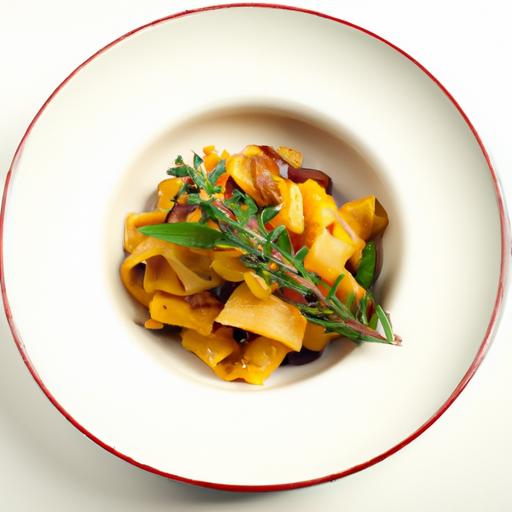
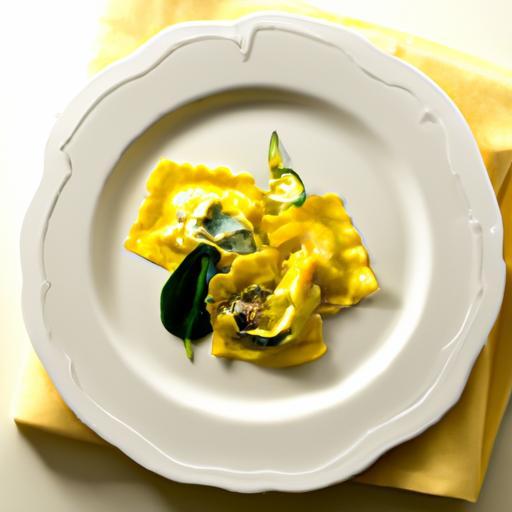
For a visually stunning presentation, serve your Sasanelli in deep white bowls to highlight the rich red hues of the tomato sauce contrasted by the creamy ricotta salata. Garnish with additional torn basil leaves and a drizzle of high-quality olive oil for shine and fragrance.
This dish pairs beautifully with a crisp, chilled glass of fortified grape juice or a sparkling non-alcoholic aperitif, enhancing its fresh and peppery profile without overpowering the delicate pasta texture.Consider a side of grilled seasonal vegetables or a simple arugula salad tossed in lemon vinaigrette to add brightness and balance.
Perfect for both casual family dinners and festive occasions, the versatility of the Sasanelli allows you to customize with your favourite herbs or add toasted pine nuts for delightful crunch.
Prep and Cook Time
- Readiness: 40 minutes (includes dough resting)
- Cooking: 15 minutes
- Total Time: 55 minutes
Yield
Serves 4 hearty portions
Difficulty level
Medium – Ideal for cooks pleasant with homemade pasta but accessible for adventurous beginners
Chef’s Notes for Success
- Ensure your water is warm, not hot, when mixing the dough to achieve optimal gluten development without overworking.
- If you prefer a softer pasta texture, substitute half the semolina with all-purpose flour.
- To make ahead, shape the Sasanelli and freeze them on a parchment-lined tray before transferring to a sealed bag; cook straight from frozen with an extra minute boiling time.
- For a vegan variation, omit ricotta salata or substitute with crumbled smoked tofu or almond parmesan.
- Use a non-stick skillet when sautéing the tomatoes to prevent burning and maintain sauce clarity.
| Nutrient | Per Serving |
|---|---|
| Calories | 330 kcal |
| Protein | 11 g |
| Carbohydrates | 48 g |
| fat | 7 g |

For further inspiration on Mediterranean pasta recipes, explore our Mediterranean Pasta Classics article. To deepen your understanding of authentic Italian pasta techniques, visit Italian Food Forever, a reputable culinary resource.
Q&A
Q&A: Discover the Timeless Charm of the Sasanelli Recipe
Q1: What is the origin of the Sasanelli recipe?
A1: The Sasanelli recipe hails from Southern Italy, specifically the region of Salento in Apulia. This traditional cake has been lovingly passed down through generations, carrying with it the rich history and culture of its Mediterranean roots.
Q2: What makes the Sasanelli cake so timeless?
A2: Its timelessness stems from its unique combination of simple, natural ingredients and the ceremonial significance it holds. The recipe balances fragrant spices,vibrant citrus zest,and a perfectly tender texture,creating a dessert that transcends time and trends.
Q3: Which key ingredients define a traditional Sasanelli?
A3: At the heart of Sasanelli are flour, sugar, extra virgin olive oil, orange zest, and warm spices like cinnamon and cloves. These ingredients come together to form a subtly sweet, aromatic cake that delights the senses without overwhelming the palate.
Q4: How is Sasanelli traditionally enjoyed?
A4: Traditionally, Sasanelli is enjoyed during festive occasions such as Christmas and weddings, frequently enough accompanied by family gatherings. Its delicate flavor and rustic appearance make it ideal for sharing stories and creating memories.
Q5: Can Sasanelli be modified for modern tastes?
A5: absolutely! While honoring its heritage, modern bakers frequently enough experiment by incorporating additional flavors like almond essence, or serving it alongside fresh fruit or a light drizzle of honey to complement its natural sweetness.
Q6: What is the significance of the shape of Sasanelli?
A6: The Sasanelli cake is typically shaped into small twisted rings or braids. This shape is not just decorative-it symbolizes unity, eternity, and the intertwined bonds of family, reflecting the recipe’s role in bringing people together.
Q7: Is Sasanelli suitable for all dietary preferences?
A7: Given its basic ingredient list, Sasanelli can easily be adapted for vegetarian diets. By carefully choosing organic and high-quality components, it also appeals to those who appreciate wholesome, natural desserts.
Q8: How does the texture of Sasanelli compare to other Italian cakes?
A8: Unlike heavier Italian cakes, Sasanelli boasts a tender crumb with a slightly crisp exterior, thanks to the olive oil and the baking technique. This creates a delightful contrast that makes each bite memorable.
Q9: What cultural values does the Sasanelli recipe embody?
A9: Sasanelli embodies values of tradition, hospitality, and the celebration of life’s simple pleasures.Making and sharing it encourages connection, patience, and appreciation for ancestral wisdom in the kitchen.
Q10: Where can one find authentic Sasanelli today?
A10: Authentic Sasanelli can be found in artisanal bakeries throughout Apulia, as well as in specialty italian food shops worldwide.Many home bakers also cherish the recipe, keeping its legacy alive with every batch.
the Conclusion
As we close the chapter on the timeless charm of the Sasanelli recipe, one thing remains clear: this humble dish is much more than just a meal. It’s a flavorful journey through history, a testament to tradition, and a celebration of simplicity that transcends generations. Whether your a seasoned cook or a curious foodie, embracing the Sasanelli recipe invites you to savor not only its unique taste but also the stories and culture woven into every bite. So, next time you seek a culinary experience that bridges past and present, let Sasanelli be your delicious guide to timeless flavor.