
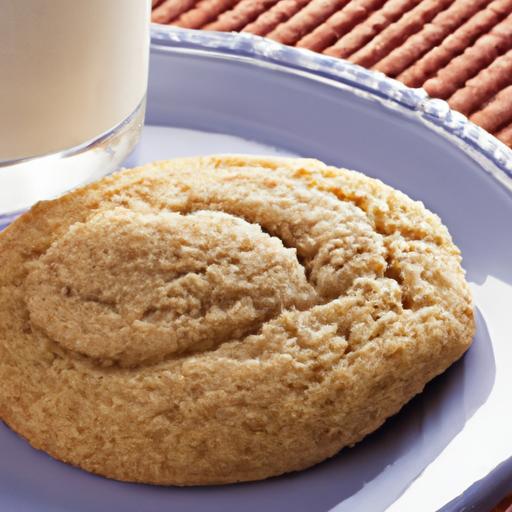
There’s something irresistibly nostalgic about the warm, cinnamon-sugar aroma of snickerdoodle cookies baking in the oven-a scent that instantly transports you to cozy kitchens, family gatherings, and sweet smiles. Whether you’re a seasoned baker or a curious beginner,mastering the ultimate snickerdoodle recipe is like unlocking a little piece of cookie magic. In this article,we’ll dive into the secrets behind that perfect tangy,chewy bite,share tips to elevate your baking game,and guide you step-by-step to creating snickerdoodles you’ll love making (and eating) again and again. Get ready to roll up your sleeves and fill your home with the timeless delight of this classic treat!
The Ultimate Snickerdoodle Cookie Recipe You’ll Love Baking
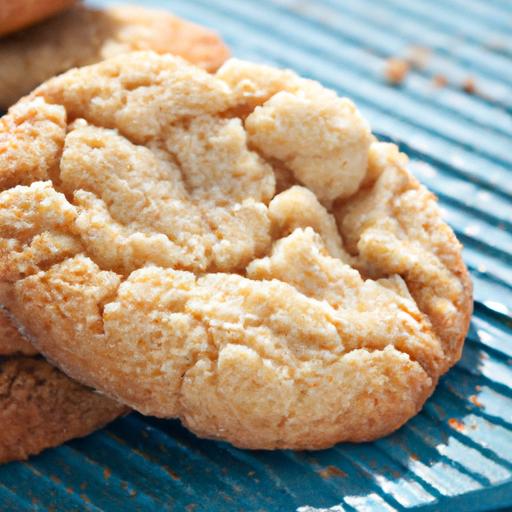
The Ultimate snickerdoodle Cookie Recipe You’ll Love Baking starts with choosing the finest ingredients to ensure every bite offers that perfect harmony of soft, chewy texture wrapped in a warm cinnamon sugar embrace. These timeless cookies, originating from early American kitchens, have captivated generations with their delicate tang from cream of tartar and a crackly, sugary crust that’s simply irresistible.
Prep and Cook Time
- Planning: 15 minutes
- Chilling: 30 minutes (highly recommended for dough stability)
- Cooking: 10-12 minutes per batch
- Total Time: Approximately 1 hour, including chilling
Yield
About 24 classic-sized snickerdoodle cookies
Difficulty Level
Easy – Perfect for bakers of all levels looking to master the beloved spiced cookie
Choosing the Perfect Ingredients for Irresistible Snickerdoodles
Flour is your cookie’s foundation. Opt for all-purpose flour, sifted to avoid lumps and encourage tender crumb advancement.For butter, unsalted, room temperature blocks offer control over saltiness and ensure smooth creaming with sugar.The subtle tang snickerdoodles are famous for comes from a mix of cream of tartar and baking soda, an iconic pairing that creates their signature texture and flavor. Use fresh ground cinnamon-aromatic and shining-to make your cinnamon sugar coating truly pop. For sweetness, a combination of granulated sugar in the dough and an equal or slightly higher sugar ratio in the coating creates the signature crackled crust.
Mastering the Art of the cinnamon Sugar Coating
Don’t underestimate the magic of the cinnamon sugar shell. Combine 1/4 cup granulated sugar with 2 teaspoons ground cinnamon, tossing your cookie dough balls generously before baking. This coating caramelizes gently as the cookies bake, creating the irresistible crackle and warm spice aroma that makes snickerdoodles unforgettable. For an elevated touch, try adding a pinch of fine sea salt to the coating mix to complement the sweetness or experiment with a hint of nutmeg for a subtle depth.
Baking Tips to Achieve the Ideal Soft and Chewy Texture
Soft,chewy snickerdoodles need careful temperature control and dough treatment. Chill the dough for at least 30 minutes; this prevents spreading and enhances the final texture. Bake at 350°F (175°C) just until the edges begin to set and the centers appear slightly underbaked-typically 10-12 minutes. Remove from the oven and let cookies cool on the baking sheet for 5 minutes; this resting time lets residual heat finish the bake for that soft interior. Avoid overbaking to prevent dry, crumbly cookies.
Troubleshooting Common Snickerdoodle Baking Challenges
- Cookies spreading to much? Chill your dough longer. Make sure your baking sheet is cool and consider using parchment paper or a silicone mat for even heat distribution.
- Edges too crisp or burnt? Lower your oven temperature slightly or shorten the baking time by a minute. keep a close eye through the final minutes.
- Flat, dense cookies? Check the freshness of your leaveners, especially baking soda and cream of tartar. These are essential for the classic snickerdoodle lift and texture.
- Lacking cinnamon flavor? Double the cinnamon in your sugar coating or use high-quality, freshly ground cinnamon for the best flavor punch.
Ingredients
- 1 cup (227g) unsalted butter, softened to room temperature
- 1 1/2 cups (300g) granulated sugar, divided
- 2 large eggs, room temperature
- 2 3/4 cups (330g) all-purpose flour, sifted
- 2 teaspoons cream of tartar
- 1 teaspoon baking soda
- 1/4 teaspoon fine sea salt
- 2 teaspoons ground cinnamon, divided
Instructions
- Preheat your oven to 350°F (175°C). Line baking sheets with parchment paper or silicone baking mats.
- Cream together the butter and 1 1/4 cups granulated sugar using a stand mixer or electric hand mixer on medium speed until light and fluffy, about 3-5 minutes. This step entrains air for tender cookies.
- Add eggs one at a time, beating well after each addition. This ensures a smooth, glossy dough base for even mixing.
- in a separate bowl, whisk the flour, cream of tartar, baking soda, salt, and 1 teaspoon cinnamon. Gradually incorporate the dry ingredients into the butter mixture on low speed, mixing until just combined. Avoid overmixing to prevent tough cookies.
- Mix the remaining 1/4 cup sugar and 1 teaspoon cinnamon in a small bowl for your coating blend.
- Chill the dough for 30 minutes to firm up,making it easier to roll and rich in flavor.
- Roll dough into 1 1/2-inch balls. Roll each ball generously in the cinnamon sugar coating until fully covered.
- Place balls 2 inches apart on prepared baking sheets to allow spreading.
- Bake for 10-12 minutes or until edges are set but centers remain soft (look for a slight puff and matte surface).
- Cool cookies on baking sheets for 5 minutes,then transfer to wire racks to cool completely.
Chef’s notes and Tips for Success
- For deeper flavor, substitute half the butter with browned butter, chilling well before use.
- Swap regular granulated sugar for a fine sanding sugar in the coating for extra sparkle and crunch.
- for gluten-free options, use a 1-to-1 gluten-free flour blend with xanthan gum, but expect slightly different texture.
- Make-ahead: the dough can be refrigerated for up to 48 hours or frozen up to 3 months. Let it soften slightly before rolling.
- Brighten your dough by adding a teaspoon of pure vanilla extract or a pinch of cardamom for an exotic twist.
Serving Suggestions
present your snickerdoodles stacked on a rustic wooden platter or nestled in a vintage cookie tin lined with parchment. Pair perfectly with a cold glass of milk or a steaming cup of chai or coffee. For an extra touch, garnish with a light dusting of powdered sugar or a sprinkle of extra cinnamon sugar just before serving to elevate the visual and flavor appeal. These cookies also pair beautifully with homemade vanilla ice cream or a drizzle of salted caramel sauce for an indulgent dessert.

Nutritional Facts (Per Cookie)
| Calories | Protein (g) | Carbs (g) | Fat (g) |
|---|---|---|---|
| 120 | 1.2 | 18 | 5.5 |
Looking to expand your holiday cookie repertoire? Check out our Classic Chocolate Chip Cookie Recipe for another beloved favorite. For additional baking tips and the science behind cream of tartar’s role in snickerdoodles, visit King Arthur Baking’s guide.
Q&A
Q: What makes a snickerdoodle cookie different from othre sugar cookies?
A: Snickerdoodles stand out thanks to their signature cinnamon-sugar coating and a touch of tangy cream of tartar in the dough. This little twist gives them a delightful chewiness and that subtly tangy, rich flavor you won’t find in a typical sugar cookie. It’s like a cinnamon hug in every bite!
Q: What’s the secret ingredient that makes snickerdoodles so soft and chewy?
A: The magic lies in the combination of cream of tartar and baking soda. Cream of tartar not only adds a hint of tang but also reacts with the baking soda to create a tender, slightly puffy texture with a perfect chew. Plus, using softened butter and beating the dough just right helps maintain that soft consistency.
Q: Can I substitute the cinnamon-sugar coating with other flavors?
A: While the classic cinnamon-sugar is iconic, feel free to get creative! You can try mixing sugar with pumpkin pie spice, cardamom, or even a sprinkle of cocoa powder for a twist. Just keep the sugar element for that satisfying sweet crunch on the cookie’s surface.Q: how do I get the perfect crackly top on my snickerdoodles?
A: The crackly top comes from rolling the dough balls generously in cinnamon-sugar before baking and having the right oven temperature-usually around 350°F (175°C). The sugar caramelizes slightly as the cookie expands, creating that irresistible crackled look and a bit of crunch on the outside.
Q: Is it necessary to chill the dough before baking?
A: While not absolutely necessary, chilling the dough for at least 30 minutes can help enhance the flavor and improve texture. It prevents the dough from spreading too quickly, which means thicker, chewier cookies that stay soft in the center.
Q: How do I store snickerdoodle cookies to keep them fresh and soft?
A: Store your baked snickerdoodles in an airtight container at room temperature. to keep them extra soft,place a slice of bread or a slightly damp paper towel inside the container-the cookies will absorb the moisture and stay tender for days.
Q: Can I use this snickerdoodle recipe for other cookie shapes or bars?
A: Absolutely! This versatile dough holds up well if you want to press it into a pan for snickerdoodle bars or shape it into fun forms for holiday treats. Just keep an eye on the baking times, as bars might need a bit longer to fully set.
Q: What’s the best way to measure flour for this recipe?
A: Lightly spoon the flour into your measuring cup and level it off with a knife-avoid packing it down to prevent dense cookies. Proper flour measurement ensures your snickerdoodles stay soft and don’t turn out tough or cakey.
Q: can I make snickerdoodles gluten-free?
A: Yes! Substitute regular all-purpose flour with a 1:1 gluten-free baking flour blend. Just be aware that slight texture differences might occur, but you’ll still get that classic cinnamon-sugar flavor and lovely chew.
Q: Why do my snickerdoodles sometimes turn out flat or hard?
A: flat cookies usually mean the dough was too warm or the butter too soft, causing excessive spreading in the oven. Hard cookies can result from overbaking or too much flour. Try chilling the dough and closely watch the bake time-the cookies shoudl be lightly golden but still soft when you take them out.
In Summary
As you wrap up your batch of these golden, cinnamon-kissed snickerdoodles, take a moment to savor not just their sweet, soft warmth, but the joyful simplicity of baking itself. This ultimate recipe isn’t just about mixing flour and sugar-it’s about crafting little moments of comfort, sprinkled with a dash of nostalgia and a swirl of cinnamon magic. So next time the craving strikes or the oven calls your name, you’ll know exactly how to create cookies that warm the heart and delight the taste buds. Happy baking, and may your kitchen always be filled with the irresistible aroma of freshly baked snickerdoodles!