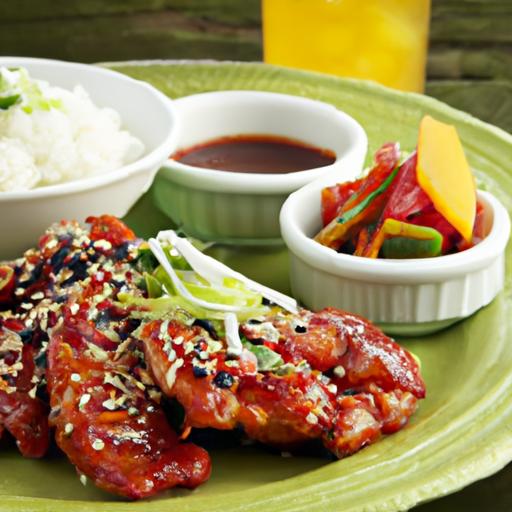

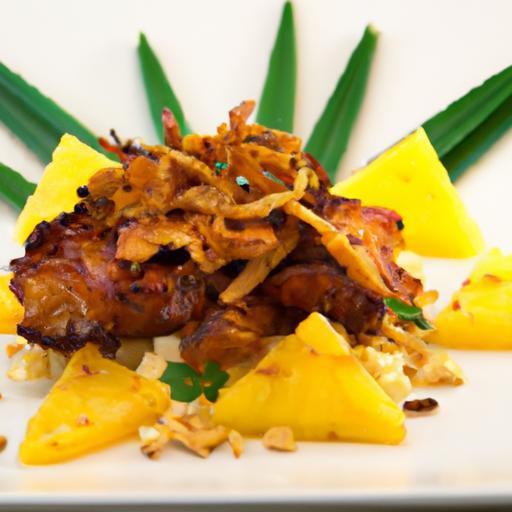
In the vibrant world of culinary fusion, few flavors captivate the palate quite like gochujang – the fiery, fermented Korean chili paste that dances effortlessly between sweet and spicy. Enter the Bold & Balanced: Sweet-spicy Gochujang Chicken Delight, a dish that masterfully marries rich umami depth with a tantalizing heat, creating a harmony thatS both adventurous and comforting. Whether you’re a seasoned lover of Korean cuisine or a curious food explorer, this recipe promises a sensory journey filled with layers of flavor, inviting you to savor the perfect balance of boldness and subtle sweetness in every succulent bite.
Bold & Balanced Sweet-Spicy Gochujang Chicken invites you to explore the captivating depths of Korean chili paste, where its complex essence marries the perfect harmony of sweetness and heat. This dish is a festivity of bold flavors, born from centuries of culinary tradition but effortlessly approachable for home cooks eager to master the art of tender, juicy chicken infused with a luscious gochujang glaze. From the first bite, the subtle umami undertones unfold alongside the fiery kick, crafting a symphony that lingers delightfully on the palate.
prep and Cook Time
- Planning Time: 20 minutes
- Marinating Time: 2 hours (or overnight for best results)
- Cooking Time: 15-20 minutes
Yield
Serves 4 hearty portions
difficulty Level
Medium – Ideal for adventurous cooks seeking to elevate their dinner repertoire.
Ingredients
- 1.5 lbs boneless, skin-on chicken thighs, patted dry
- 3 tbsp gochujang (Korean chili paste)
- 2 tbsp honey or maple syrup
- 2 tbsp soy sauce (or tamari for gluten-free)
- 1 tbsp toasted sesame oil
- 3 cloves garlic, finely minced
- 1 tsp freshly grated ginger
- 1 tbsp rice vinegar
- 1 tsp toasted sesame seeds (for garnish)
- 2 scallions, thinly sliced (for garnish)
- Fresh cilantro leaves (optional, for garnish)
- Salt and freshly cracked black pepper, to taste
- 1 tbsp vegetable oil, for searing
Instructions
- Prepare the marinade: In a medium bowl, whisk together gochujang, honey, soy sauce, sesame oil, garlic, ginger, and rice vinegar until smooth and well combined.
- Marinate the chicken: Season chicken thighs lightly with salt and pepper. place them in a large resealable bag or shallow dish and pour the marinade over. Toss to coat thoroughly. Seal and refrigerate for at least 2 hours,preferably overnight,to allow flavors to deeply penetrate.
- Bring to room temperature: Remove chicken from fridge 20 minutes prior to cooking to help cook evenly and retain tenderness.
- Heat the pan: In a large skillet or cast-iron pan, heat vegetable oil over medium-high heat until shimmering.
- Sear the chicken: Place chicken thighs skin-side down carefully. Sauté until skin is a crispy golden brown, about 6-8 minutes, pressing gently with a spatula if needed. Avoid overcrowding the pan; cook in batches if necessary.
- Flip and cook through: Turn the chicken and reduce heat to medium. Cook another 6-8 minutes until chicken reaches an internal temperature of 165°F (75°C). Baste with reserved marinade during the last few minutes, being cautious as marinade will be very hot.
- Rest the chicken: Remove chicken to a warm plate and let rest for 5 minutes to seal in juices.
- Serve and garnish: Sprinkle with toasted sesame seeds, sliced scallions, and fresh cilantro leaves for a burst of color and freshness.
Tips for Success: unlocking Tender and Juicy Chicken
- Marinate long and slow: Allowing the chicken to rest in the marinade overnight not onyl amplifies flavor but also tenderizes the meat for irresistible juiciness.
- Choose skin-on thighs: The skin crisps up beautifully, locking in moisture while adding rich texture contrast to the sticky glaze.
- Pat dry before searing: Ensure the skin is dry to achieve that prized golden crust-moisture is the enemy of crispness.
- Use a cast-iron skillet: Its even heat distribution helps caramelize the marinade sugars, enhancing complexity.
- Baste mindfully: add reserved marinade only towards the end of cooking to avoid burning the sugars.
- Rest before slicing: This crucial step lets the juices redistribute, so every bite is tender and succulent.
- Substitutions: No gochujang on hand? Blend 1 tbsp Korean chili flakes with 2 tbsp miso paste and 1 tbsp honey for a rapid alternative.
Serving Suggestions to Elevate Your Sweet-Spicy Gochujang Chicken Experience
Present this vibrant chicken atop fluffy steamed jasmine rice or nutty brown rice to soak up every drop of glaze. For added brightness, pair with quick-pickled vegetables such as sliced cucumber, carrot ribbons, or daikon radish-these tangy accents cut through the richness perfectly.
A simple side of sautéed bok choy or wilted spinach with a drizzle of toasted sesame oil complements the dish with freshness and crunch. For an indulgent finishing touch, sprinkle crushed roasted peanuts or cashews and add a wedge of lime on the side for an optional zesty squeeze.

Nutritional Information
| Nutrient | Per Serving |
|---|---|
| Calories | 320 kcal |
| Protein | 35 g |
| Carbohydrates | 8 g |
| Fat | 15 g |
For more Korean-inspired dishes that harmonize robust flavors with simple techniques, explore our Korean Chicken Bulgogi recipe. To deepen your understanding of gochujang’s culinary versatility from a trusted source, visit Maangchi’s gochujang guide.
Q&A
Q&A: Bold & Balanced – Sweet-Spicy Gochujang Chicken Delight
Q1: what makes gochujang such a star ingredient in this chicken dish?
A1: Gochujang is a vibrant Korean chili paste that masterfully balances heat, sweetness, and umami. its deep, fermented flavor brings a unique complexity that transforms simple chicken into a bold, crave-worthy dish. Think of it as the secret sauce that dances on your taste buds with every bite.
Q2: How do you achieve the perfect balance between sweet and spicy in this recipe?
A2: The magic lies in thoughtful layering. The natural sweetness is usually introduced through honey, brown sugar, or mirin, while the spicy kick comes from the gochujang itself, which is both fiery and subtly smoky. Taming the heat with a hint of acidity-like rice vinegar or lime juice-rounds out the flavor profile, delivering a dish that’s spicy yet wonderfully approachable.
Q3: Can I use different cuts of chicken for this recipe?
A3: absolutely! Thighs, breasts, drumsticks-they all work wonderfully.Thighs tend to stay juicier and richer, absorbing the sauce beautifully, while breasts offer a leaner bite. Just adjust cooking times slightly to ensure tenderness and optimal flavor absorption.
Q4: What are some ideal side dishes to pair with this sweet-spicy chicken?
A4: Since the chicken is bold and packed with flavor, consider lighter, refreshing sides. Steamed jasmine rice or sticky rice is a classic canvas. Crisp cucumber salad with sesame seeds,garlic sautéed greens,or a simple carrot and daikon slaw can provide cooling contrast and texture. These sides balance the intensity without competing with it.
Q5: Is this dish suitable for meal prep and reheating?
A5: Definitely! Gochujang chicken actually benefits from a bit of resting time as the flavors deepen overnight. Store it in an airtight container and reheat gently on the stove or in the oven to keep the chicken tender and the sauce luscious.
Q6: Can I adjust the heat level for those sensitive to spice?
A6: Of course! Since gochujang varies in heat intensity depending on the brand, start with a smaller amount and taste as you go. You can also mellow the spice by adding a dollop of plain yogurt or a splash of coconut milk to the sauce,creating a creamy undertone that tempers the fire while keeping the dish exciting.
Q7: Are there any creative garnishes to elevate this dish visually and flavor-wise?
A7: Fresh green onions sliced thinly, toasted sesame seeds, or even a sprinkle of crushed peanuts add both crunch and a lovely visual appeal.For an extra touch of freshness, a few sprigs of cilantro or shiso leaves can brighten the dish and enhance its complexity.
Q8: How does the fermentation process of gochujang influence the taste of the chicken?
A8: The fermentation gives gochujang a rich umami depth that starter sauces often lack. This fermented character adds layers of savory, tangy notes beneath the surface heat and sweetness, making the chicken taste more rounded and deeply satisfying-like a flavor symphony that keeps evolving with each bite.
This Q&A is designed to inspire both curiosity and confidence in making your own sweet-spicy gochujang chicken, combining bold flavors with perfect balance for a truly delightful meal experience!
Final Thoughts
As you savor the lingering dance of sweet and spicy flavors in this Gochujang Chicken Delight, you’ve discovered more than just a meal-you’ve embraced a bold culinary adventure that balances fiery heat with subtle sweetness.Whether you’re a seasoned spice lover or a curious palate seeking new tastes, this dish invites you to experience the rich, vibrant heart of Korean cuisine in every bite. So, next time you crave a meal that’s both daring and harmonious, let this bold and balanced recipe inspire your kitchen creations and ignite your appetite for flavor exploration.