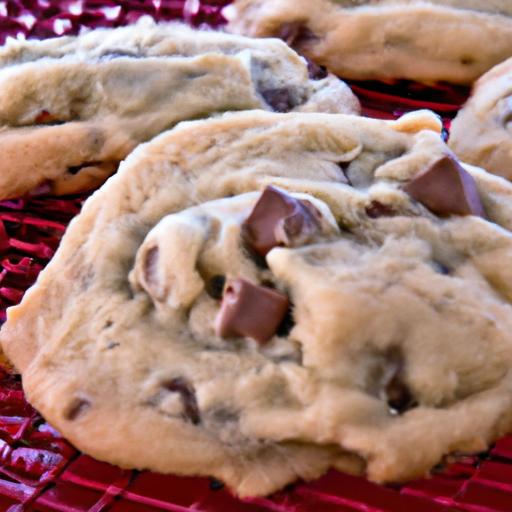

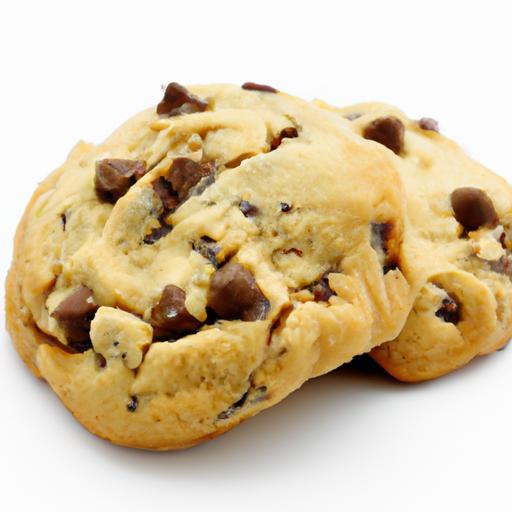
There’s a certain magic in the humble chocolate chip cookie-a golden, chewy masterpiece that awakens childhood memories and comforts the soul. But behind that irresistible bite lies a fascinating blend of science and artistry, where precise chemistry meets playful experimentation. From the role of butter’s temperature to the dance of baking soda and sugar, each ingredient and technique shapes the perfect cookie. In this article, we’ll unravel the tasty secrets and joyful rituals that transform simple ingredients into timeless treats, inviting you to savor not just the taste, but the wonder behind every chocolate-studded bite.
Chocolate chip cookies are a timeless treat that blend chemistry and craft to create a symphony of texture and flavor. Understanding the intricate science behind their structure-from the interaction of flour proteins to sugar caramelization-unlocks the path to the ultimate cookie experience. Choosing the right chocolate and mastering the balance of sweetness and saltiness leads to a cookie that delights every bite, with crispy edges yielding to a chewy, luscious center.
Prep and Cook Time
- Preparation: 20 minutes
- Chilling dough: 1 hour (optional but recommended)
- Baking: 12-15 minutes
- Total: approximately 1 hour 35 minutes
Yield
- About 24 medium-sized cookies
Difficulty Level
- Medium – suitable for bakers ready to explore texture and flavor nuances
Ingredients
- 2 ¼ cups all-purpose flour, sifted
- 1 teaspoon baking soda
- ½ teaspoon fine sea salt
- ¾ cup unsalted butter, softened to room temperature
- ¾ cup light brown sugar, packed
- ½ cup granulated sugar
- 1 large egg, at room temperature
- 1 teaspoon pure vanilla extract
- 1 ½ cups high-quality bittersweet chocolate chunks (60-70% cacao)
- 1 teaspoon flaky sea salt, for finishing (optional but impactful)
Instructions
- Preheat the oven to 350°F (175°C). Line two baking sheets with parchment paper or silicone baking mats.
- Whisk together the sifted all-purpose flour, baking soda, and sea salt in a medium bowl.Set aside.
- Cream the butter and sugars in a large bowl with an electric mixer on medium speed until light and fluffy, about 3-4 minutes. This aerates the dough, contributing to a tender crumb.
- Add the egg and vanilla extract to the butter mixture, beating just until combined. Avoid overmixing to prevent toughness.
- Gradually fold the dry ingredients into the wet mixture using a spatula, mixing until just incorporated. Overworking the dough develops gluten, compromising softness.
- Gently fold in the high-quality bittersweet chocolate chunks. Using chunks rather than chips creates pockets of molten chocolate that melt beautifully during baking.
- Cover and chill the dough in the refrigerator for at least 1 hour. Chilling firms the fat, controls spreading, and enhances flavor progress by allowing the flour to hydrate.
- Using a medium cookie scoop, drop rounded tablespoon-sized mounds onto the prepared baking sheets, spaced about 2 inches apart.
- Sprinkle a pinch of flaky sea salt atop each dough mound. This subtle saltiness heightens the sweet and bitter chocolate notes delightfully.
- Bake in the preheated oven for 12-15 minutes until edges are golden and centers are just set but still soft. The residual heat continues to bake the cookies once removed.
- allow to cool on the baking sheet for 5 minutes before transferring to a wire rack to cool completely. This ensures the chewy center remains moist against crisp edges.
Tips for Success
- Chocolate choice matters: opt for bittersweet chocolate with 60-70% cacao for a rich yet balanced flavor. Milk chocolate tends to be too sweet, dulling the sophisticated contrast we aim for.
- Butter temperature: Use softened, not melted butter-this traps air for structure but prevents excessive spreading.
- Salt balance: Adding flaky salt on top before baking introduces an abrupt savory contrast that elevates the cookie’s complexity.
- Chill the dough: Don’t skip chilling. It prevents cookies from spreading too thin and deepens their flavor as the ingredients meld.
- Use parchment or silicone mats: These provide even heat distribution and prevent overbrowning on the bottoms.
- Customize sweetness: Adjust brown sugar and granulated sugar ratios if you prefer a deeper molasses flavor or a lighter sweetness.
- Storage: Keep cookies in an airtight container at room temperature for up to 4 days, or freeze dough balls for future baking.
Serving Suggestions
Serve these chocolate chip cookies slightly warm to enjoy the melty centers at their peak indulgence. Pair with a glass of cold milk or your favourite dairy-free option to counterbalance richness. For an elegant presentation,stack them on a rustic wooden board with a light dusting of powdered sugar or a few extra flaky salt crystals on top. Accompanying the plate with fresh berries or a scoop of vanilla bean ice cream turns this classic into a dessert worth savoring.

| Nutrient | Per Cookie (approx.) |
|---|---|
| Calories | 190 kcal |
| Protein | 2 g |
| Carbohydrates | 25 g |
| Fat | 9 g |
For further understanding of the chemistry behind baking and ingredient interaction, explore this insightful article. Also, don’t miss our related guide on How to Achieve the Perfect Chewy Cookie for more tips and tricks to elevate your baking.
Q&A
Q&A: The Science and Joy Behind Perfect chocolate Chip Cookies
Q: What makes a chocolate chip cookie “perfect”?
A: A perfect chocolate chip cookie strikes a harmonious balance between texture and flavor-crispy on the edges, chewy or soft in the center, and bursting with rich chocolate pockets.It’s a multi-sensory experience where warmth, aroma, and that satisfying snap or tender give come together in sweet symphony.
Q: How does butter influence the cookie’s texture?
A: Butter is the magic behind tender, flavorful cookies. When butter melts in the oven, it creates pockets of steam that help the cookie rise and spread. using melted butter often leads to chewier cookies, while cold, creamed butter trapped with sugar air yields a fluffier, cakier bite.
Q: What role do sugar types play in cookie perfection?
A: Brown sugar and white sugar don’t just sweeten-they shape texture. Brown sugar contains molasses, which retains moisture and promotes chewiness, while white sugar contributes to crispness and spread.Adjusting their ratio tweaks the cookie’s personality from crispy crunch to luscious chew.
Q: Why is chilling the dough important?
A: Chilling halts the flour’s starches from hydrating too quickly, making dough easier to handle and preventing excessive spreading. Plus, it lets flavors mature, resulting in deeper caramel-like notes and a more complex cookie character.
Q: How does the choice of flour affect the cookie?
A: Flour’s protein content dictates gluten development, which in turn affects chewiness and structure. All-purpose flour works beautifully for a balanced bite, but experimenting with bread flour can add extra chew, while cake flour keeps cookies tender and delicate.
Q: what’s the secret behind those gooey chocolate pockets?
A: Using high-quality chocolate chunks instead of chips lets the chocolate melt unevenly, creating molten pools and textural contrast. Some bakers even chill their dough with chilled chocolate to delay melting and preserve those dreamy bites.
Q: Can mixing techniques change the cookie’s outcome?
A: Absolutely! Overmixing can develop too much gluten, leading to tougher cookies, while undermixing results in uneven texture. Creaming butter and sugar well incorporates air for lift, but folding in dry ingredients gently maintains tender crumb.
Q: What temperature and baking time yield the best cookie?
A: Baking at a moderate temperature, around 350°F (175°C), typically allows cookies to bake evenly-edges becoming golden while centers stay soft. Slightly underbaking by a minute or two encourages gooey centers; allowing cookies to rest on the baking sheet post-oven helps set without losing softness.
Q: How can you personalize the classic chocolate chip cookie?
A: Beyond swapping standard chocolate for white, dark, or nut-studded varieties, you can infuse dough with a hint of sea salt, cinnamon, espresso powder, or even a touch of vanilla bean paste. These subtle tweaks elevate flavor without compromising the comforting core of the cookie.
Q: Why do perfect chocolate chip cookies bring so much joy?
A: Beyond science and technique, cookies tap into nostalgia, warmth, and sharing. The act of baking itself is a joyful ritual-a sensory delight from mixing to the aroma filling the kitchen-that culminates in a sweet reward that connects generations and creates moments worth savoring.
Concluding Remarks
As the warm aroma of freshly baked chocolate chip cookies fills the air, we’re reminded that these sweet treats are much more than just a delicious indulgence-they’re a brilliant blend of science and art. From the precise chemistry that creates that perfect chewy-crisp texture to the joyful moments shared over a batch straight from the oven, chocolate chip cookies embody both innovation and comfort. So next time you mix, measure, and bake, remember: you’re not just making cookies, you’re participating in a centuries-old alchemy of taste and texture that continues to bring smiles and satisfy cravings worldwide. Hear’s to the sweet science behind every bite, and the pure joy that only a perfect chocolate chip cookie can deliver.