
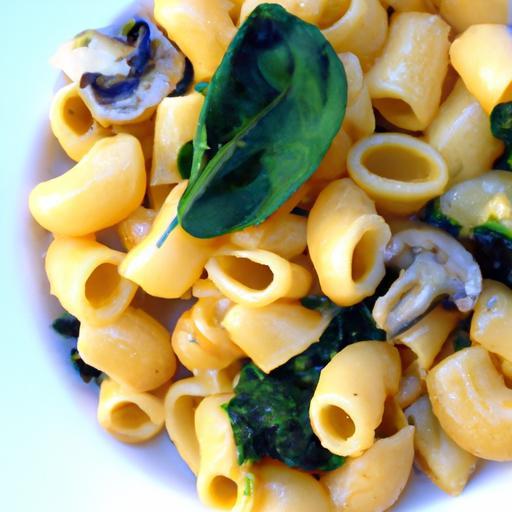
In a world where vibrant flavors and nourishing ingredients effortlessly intertwine, vegan pasta dishes have emerged as a delicious testament to plant-based creativity. Gone are teh days when vegan meals were seen as a compromise; today, they celebrate the richness of nature’s bounty with every twirl of spaghetti and forkful of fusilli. This article invites you to embark on a culinary journey through a collection of healthy, mouthwatering vegan pasta recipes-each plate thoughtfully crafted to delight your taste buds while fueling your body. Whether you’re a seasoned vegan or simply seeking wholesome alternatives, these recipes prove that indulgence and wellness can coexist beautifully on one colorful, comforting dish.
Delicious vegan pasta recipes offer an extraordinary possibility to celebrate vibrant, nutrient-packed ingredients that transform simple staple dishes into colorful, flavor-rich meals. Imagine twirling strands of perfectly al dente pasta enveloped in sauces bursting with wholesome powerhouses like sun-dried tomatoes,creamy cashew bases,and antioxidant-loaded leafy greens. From the first bite, these dishes balance health and indulgence – an homage to plant-based cooking that never sacrifices taste.
Prep and Cook Time
- Readiness: 15 minutes
- Cooking: 20 minutes
- Total Time: 35 minutes
Yield
serves 4 generous portions
Difficulty Level
Easy
Ingredients
- 12 oz whole wheat or gluten-free spaghetti
- 1 tbsp extra virgin olive oil
- 3 cloves garlic, thinly sliced
- 1 cup cherry tomatoes, halved
- 1 medium zucchini, diced
- 1 large carrot, julienned
- 1/2 cup raw cashews, soaked for 2 hours and drained
- 1 cup unsweetened almond milk
- 2 tbsp nutritional yeast
- 1 tbsp fresh lemon juice
- 1 tsp Dijon mustard
- 1/2 tsp sea salt, or to taste
- 1/4 tsp freshly ground black pepper
- 1/4 cup fresh basil leaves, roughly chopped
- 1/4 cup fresh flat-leaf parsley, chopped
- 1/4 cup toasted pine nuts (optional)
Instructions
- Cook the pasta in a large pot of generously salted boiling water until just al dente, typically 8-10 minutes. Stir occasionally to prevent sticking. Drain,reserving 1 cup of pasta water for the sauce.
- meanwhile, prepare the sauce. In a high-speed blender, combine soaked cashews, almond milk, nutritional yeast, lemon juice, Dijon mustard, salt, and pepper.Blend until creamy and smooth. If too thick, add reserved pasta water to achieve desired consistency.
- Heat olive oil in a large skillet over medium heat. Add sliced garlic and sauté until fragrant and golden,about 1-2 minutes-watch carefully to avoid burning.
- Add cherry tomatoes, zucchini, and carrots to the skillet. Sauté for 5-7 minutes until vegetables are tender but still vibrant and slightly crisp.
- Stir in the cashew cream sauce into the vegetables.Cook gently for 2-3 minutes, allowing the flavors to meld. Add reserved pasta water as needed to loosen the sauce and create a luscious coat for the pasta.
- Toss the cooked pasta into the skillet, folding thoroughly to ensure every strand is enveloped in the creamy, vegetable-studded sauce. If the sauce thickens too much, sprinkle some pasta water while tossing.
- Remove from heat and fold in fresh basil and parsley, stirring just enough to release their aroma without wilting.
- Serve instantly, garnished with toasted pine nuts for added crunch and a sprinkle of fresh herbs.
Tips for Success
- For a nut-free alternative, swap cashew cream with a silken tofu base blended with a bit of olive oil and lemon juice.
- If fresh herbs aren’t available, use 1 tsp dried basil and 1 tsp dried parsley, adding them during the sauce simmering step to bloom their flavors.
- Avoid overcooking vegetables; retaining their natural crunch enhances both texture and nutrition.
- To soak cashews quickly, pour boiling water over them and let rest for 30 minutes.
- Reserve pasta water-it’s an invaluable ingredient for silky sauce consistency and helps bind the sauce to pasta naturally.
- Use high-quality olive oil and fresh garlic-these simple choices dramatically elevate flavor.
Serving Suggestions
For a farm-to-table vibe, plate your pasta on crisp white dishes, topping with a scattering of fresh microgreens or edible flowers. Accompany with a side of crusty whole grain artisan bread to soak up every drop of sauce. A light drizzle of lemon zest-infused olive oil or a sprinkle of crushed red pepper flakes can instantly add dimension. Pair with chilled sparkling water infused with cucumber slices or a fresh garden salad to round out the meal.
| Nutrient | Per Serving |
|---|---|
| Calories | 380 kcal |
| Protein | 12 g |
| Carbohydrates | 55 g |
| Fat | 10 g |

Exploring more ways to enrich your plant-based meals? Check out our Vegan Healthy Meals Guide for inspiration. For more on nutrient benefits of cashews and nuts, visit Healthline’s comprehensive cashew nutrition profile.
Q&A
Q&A: Delicious Vegan Pasta Recipes – Healthy Plates to Savor
Q1: What makes vegan pasta recipes particularly healthy and delicious?
A1: Vegan pasta recipes focus on plant-based ingredients like fresh vegetables, herbs, legumes, nuts, and whole grains, which are naturally rich in fiber, vitamins, and antioxidants. These ingredients not only boost the nutritional profile but also bring vibrant colors and exciting flavors to your plate. The absence of animal products often means less saturated fat and cholesterol, making these meals heart-amiable and easy to digest without compromising on taste.
Q2: How can I make my vegan pasta dishes more filling and protein-rich?
A2: Incorporate protein-packed ingredients such as lentils, chickpeas, tofu, tempeh, or edamame. Nuts and seeds like pine nuts, walnuts, or hemp seeds add texture and a nutrient punch. Whole-grain or legume-based pasta varieties-think chickpea or lentil pasta-also elevate the protein content, turning your dish into a satisfying, well-rounded meal.
Q3: Which vegetables pair best with vegan pasta for a burst of flavor and nutrition?
A3: The options are endless! Zesty sun-dried tomatoes, caramelized onions, roasted bell peppers, sautéed mushrooms, fresh spinach, and zucchini ribbons bring layers of taste and texture. Hearty greens like kale or Swiss chard add earthiness, while herbs such as basil, oregano, and parsley create fragrant, fresh highlights.
Q4: How do you create a creamy sauce without using dairy?
A4: Dairy-free creaminess can be achieved with blended cashews,silken tofu,or coconut milk. Nutritional yeast lends a subtle cheesy flavor, while pureed cauliflower or white beans provide a velvety base. A splash of lemon juice brightens the sauce, balancing richness with a refreshing zing.
Q5: Can vegan pasta recipes be speedy to prepare for busy weeknights?
A5: Absolutely! One-pot vegan pasta dishes combine pasta, sauce, and vegetables, saving time and cleanup. Using pre-chopped veggies, jarred tomato sauces, or quick-cooking noodles, you can whip up a delicious, nutritious meal in 20 minutes or less. Batch-cooking sauces or roasted veggies in advance can speed things up even more.
Q6: How can I add variety to my vegan pasta meals to keep them exciting?
A6: Experiment with different pasta shapes, grains, and sauces-from light lemon and herb dressings to rich tomato or spicy arrabbiata. Mix up your veggies based on the seasons, try international flavors like Thai-inspired peanut sauce or Mediterranean olive tapenade, and finish dishes with crunchy toppings like toasted seeds or fresh pomegranate arils for contrast.
Q7: Are there any essential tips for cooking pasta perfectly in vegan recipes?
A7: Always salt your pasta water generously for flavor, and cook pasta just until al dente to maintain a pleasing bite and texture. reserve a cup of pasta water before draining-it’s a secret weapon to emulsify sauces and help ingredients blend beautifully. Toss the pasta with the sauce off the heat for better flavor absorption.
Q8: What role do herbs and spices play in vegan pasta dishes?
A8: Herbs and spices elevate vegan pasta by infusing brightness, warmth, or heat without extra calories. Fresh basil, oregano, thyme, and rosemary offer aromatic freshness, while smoked paprika, crushed red pepper flakes, or garlic powder add depth and a gentle kick. These seasonings transform simple ingredients into complex, memorable meals.
Q9: Can vegan pasta recipes accommodate gluten-free diets?
A9: Yes! Many gluten-free pasta options are made from rice, corn, quinoa, chickpeas, or lentils. These alternatives not only cater to gluten sensitivities but can also increase fiber and protein content. Just adjust cooking times to avoid overcooking, since gluten-free pastas can have different textures.
Q10: How do vegan pasta dishes contribute to a enduring lifestyle?
A10: Plant-based meals generally require less water, land, and energy to produce than animal-based dishes, reducing environmental impact. Enjoying vegan pasta supports biodiversity and lowers greenhouse gas emissions, making every savory forkful a small step toward a healthier planet-while nourishing your body deliciously.
To Wrap It Up
As you explore the vibrant world of vegan pasta, each dish becomes more than just a meal-it’s a celebration of wholesome ingredients and bold flavors coming together on your plate. Whether you’re a seasoned plant-based eater or simply looking to infuse more healthful choices into your routine, these delicious vegan pasta recipes prove that nourishing your body doesn’t mean sacrificing taste. So next time you twirl your fork, remember: healthy eating can be a joyous, satisfying journey-one bite at a time.Dive in,savor every flavor,and let your kitchen be the canvas for endless culinary creativity.