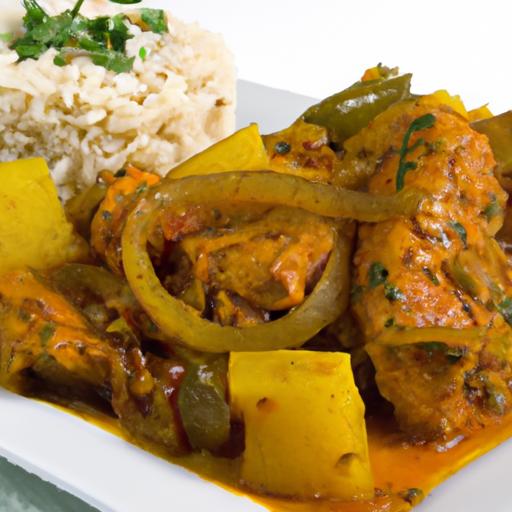

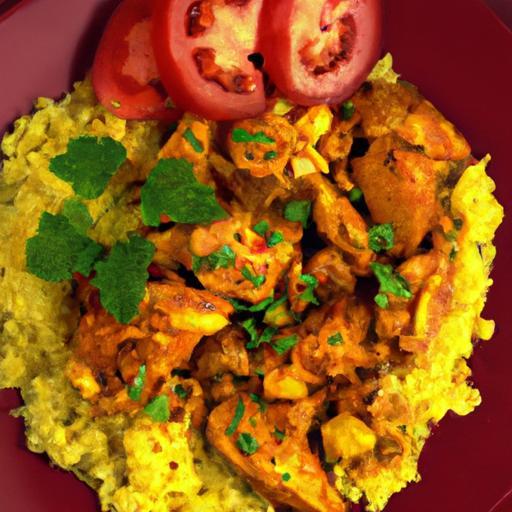
In the heart of ZambiaS rich culinary landscape lies a dish that transcends mere sustenance-nshima paired with succulent chicken.This staple, deeply woven into the fabric of Zambian culture, offers more than just flavor; it tells a story of heritage, community, and tradition. As you savor each bite of nshima, a smooth, comforting maize porridge, alongside tender, flavorful chicken, you are invited to experience a timeless ritual that brings families together around the table. Join us as we explore the origins, preparation, and cultural significance of this beloved meal-an authentic taste of Zambia that nourishes both body and soul.
The Cultural Significance of Nshima in Zambian Cuisine
Savoring Zambian Nshima with Chicken unveils more than a meal-it reveals a deeply rooted tradition cherished across Zambia. Nshima,a staple fermented from ground maize,acts as the culinary heartbeat of Zambian homes,symbolizing unity,sustenance,and heritage. This humble yet hearty porridge is often shared during communal gatherings, celebrations, and everyday meals, fostering connection and respect around the family table.
Passed down through generations, nshima’s cultural role transcends nutrition; it embodies resilience and simplicity, reflecting Zambia’s rich agricultural landscape and indigenous culinary wisdom. Pairing it with a robust chicken stew elevates nshima’s mild, comforting texture, creating a harmony that’s both nourishing and soul-satisfying. Together, they showcase the unique flavors and warmth of Zambian hospitality.
Crafting the Perfect Chicken Stew to Complement Nshima
Savoring Zambian nshima with Chicken blossoms fully when coupled with a well-crafted chicken stew,simmered to balance bold spices and tender meat. To create an authentic experience, start with fresh chicken thighs-skin-on for added richness-slowly braised to absorb aromatic ingredients like garlic, ginger, and locally grown tomatoes.
The key is layering flavors that complement but never overpower nshima’s subtle taste. Incorporate a pinch of smoked chili for warmth and fresh herbs like thyme or curry leaves for an earthiness that lingers on the palate. The stew should be vibrant and thick enough to scoop with nshima, enhancing every bite.
Prep and Cook Time
- Preparation Time: 15 minutes
- Cooking Time: 45 minutes
- Total Time: 1 hour
yield
Serves 4 hearty portions
Difficulty Level
Medium – ideal for home cooks looking to explore customary African cuisine
Ingredients
- 2 lbs chicken thighs (bone-in, skin-on)
- 2 tbsp vegetable oil
- 1 large onion, finely chopped
- 3 cloves garlic, minced
- 1-inch piece fresh ginger, grated
- 3 medium tomatoes, diced
- 1 cup chicken broth
- 1 tsp smoked chili powder (adjust to taste)
- 1 tsp curry powder
- 1 sprig fresh thyme
- Salt and freshly ground black pepper, to taste
- Fresh parsley or coriander for garnish
Instructions
- Heat the vegetable oil in a large heavy-bottomed pot over medium heat.
- Add the chicken thighs skin side down and sauté until golden brown, about 5-7 minutes per side. Remove and set aside.
- In the same pot, add the onion and cook until translucent, about 5 minutes.
- stir in garlic and ginger,cooking for 1-2 minutes until fragrant but not browned.
- Add diced tomatoes and cook down for 8-10 minutes until softened and saucy.
- Return chicken to the pot and pour in the chicken broth.
- Sprinkle smoked chili powder, curry powder, thyme, salt, and pepper, stirring gently to combine.
- Reduce heat to low, cover the pot, and simmer for 30 minutes until chicken is tender and flavors meld.
- Remove the thyme sprig, adjust seasoning if needed.
- Garnish with fresh parsley or coriander before serving to add a pop of fresh color and brightness.
Essential Tips for Serving and Enjoying Nshima Like a Local
Savoring Zambian Nshima with Chicken transcends taste-it’s a whole sensory tradition best enjoyed with simple customs. Traditionally, nshima is served fresh and hot, hand-shaped into firm, rounded portions. Using your right hand,form a small ball and create a slight thumb indentation to help scoop up the chicken stew.
In Zambian households, nshima is not eaten with cutlery but with one’s fingers, emphasizing a tactile connection to the food. When serving, arrange the chicken stew adjacent to nshima on a wide plate and scatter fresh greens, such as sautéed amaranth or spinach, alongside to balance the hearty flavors.
Sharing is central-offer your loved ones generous portions, and don’t rush the meal. Let the flavors unfold slowly, accompanied by lively conversation and laughter for a truly immersive cultural experience.
Exploring Regional Variations and Flavors Across Zambia
Zambia’s diverse regions infuse nshima and chicken stew with local twists that celebrate their distinct environments and agricultural bounty. In the Copperbelt,as an example,stew may incorporate okra or pumpkin leaves,imparting a sweet earthiness. Eastern zambia’s versions often emphasize tangier tomato bases enhanced with lemon basil or wild herbs.
in the southern province, thicker, richer stews with peanut butter add creamy depth, while northern areas might blend in spicy baobab fruit paste for a subtle fruity undertone. These regional variations reflect the resourcefulness and flavor creativity of Zambian cooks, offering endless avenues to savor nshima with chicken through various tastes and textures.
Nutritional Information per Serving
| Calories | Protein | Carbs | Fat |
|---|---|---|---|
| 430 kcal | 35 g | 30 g | 18 g |
Chef’s Notes
- Chicken Choice: Thighs offer juiciness, but breast can be used for a leaner stew.
- Make-Ahead: Prepare the stew a day in advance for deeper flavor growth-store in the refrigerator and gently reheat.
- Vegetarian Variation: Substitute chicken with hearty mushrooms and add peanut butter for richness.
- Spice Level: Adjust smoked chili powder to your heat preference; fresh chili can be added for more intensity.
- Alternative Grain: For an adventurous twist, try nshima made with sorghum or millet flour, though maize remains traditional.

For further culinary inspiration on African staples, explore our African maize Recipes page. To deepen your understanding of maize cultivation worldwide, visit the FAO Cereals and Grains resource.
Q&A
Q&A: Savoring Zambian Nshima with Chicken – A Taste of Tradition
Q1: What is nshima, and why is it so significant in Zambian cuisine?
A: Nshima is a staple food in Zambia, made from finely ground maize (corn) flour cooked into a thick, smooth porridge. It serves as the foundation of many meals, embodying not just nourishment but cultural heritage. More than just food, nshima is a unifying symbol, often shared among family and community during meals, representing warmth and togetherness.
Q2: How is traditional nshima prepared?
A: Preparing nshima is both an art and a ritual. White maize flour is gradually added to boiling water and stirred continuously to achieve a firm yet tender texture. The perfect nshima is dense enough to hold shape but soft enough to scoop with the fingers. It’s typically served hot, fresh from the pot, ready to be paired with savory accompaniments.
Q3: what makes chicken such a popular pairing with nshima in Zambia?
A: Chicken is highly favored as of its versatility and ability to soak up the rich flavors of Zambian seasonings and sauces. Tender chicken stewed or grilled with spices complements the mild,slightly sweet character of nshima wonderfully,creating a balanced and comforting meal that satisfies both body and soul.
Q4: What are some traditional ways chicken is cooked to serve alongside nshima?
A: Common preparations include slow-cooked chicken in a tomato and onion-based stew with garlic, ginger, and local herbs, which infuse the meat with savory depth. Grilled or roasted chicken, marinated with a blend of indigenous spices, is also a beloved option, offering smoky, charred notes that contrast beautifully with the creamy nshima.
Q5: Are vegetables typically included when enjoying nshima with chicken?
A: Absolutely! Leafy greens like collard greens (known locally as chibwabwa) or pumpkin leaves (delele) are frequently enough sautéed or simmered and served alongside nshima and chicken.These greens bring vibrant color, added texture, and nutritional balance to the meal, making it a wholesome experience that honors Zambia’s agricultural richness.
Q6: How is nshima traditionally eaten when served with chicken?
A: Nshima is traditionally eaten with the hands. Diners pinch off a small ball of nshima,use it to scoop up bites of chicken and vegetables,and savor the combination in one satisfying mouthful.This tactile interaction connects eaters directly to their food and culture, making every meal a communal celebration.
Q7: Can nshima with chicken be enjoyed by visitors to Zambia seeking authentic culinary experiences?
A: Definitely! Sharing nshima with chicken is one of the most authentic ways to experience Zambian culture. Visitors are often welcomed to local homes or markets where this dish is served with pride. It’s a delicious gateway into understanding the history, values, and everyday life of Zambia’s peopel.
Q8: What flavors or seasonings are central to enhancing the chicken served with nshima?
A: Zambian cooks typically emphasize fresh ingredients and simple, bold spices such as garlic, ginger, paprika, and wild herbs.Tomatoes and onions create a luscious base for stews.Occasionally, a hint of chili adds warmth without overwhelming the palate, highlighting the natural sweetness of both the chicken and the maize-based nshima.
Q9: Are there any special occasions where nshima and chicken are especially significant?
A: Yes, nshima and chicken often feature at celebrations and communal gatherings-weddings, harvest festivals, and family reunions. This pairing signifies abundance and hospitality, reinforcing bonds within the community as everyone shares from the same plate in a joyful, collective feast.
Q10: How can someone outside Zambia honor the tradition of nshima with chicken at home?
A: To honor this tradition, start with good-quality maize flour to make a smooth nshima base. Prepare a hearty chicken stew or marinade with fresh herbs and simple spices. Serve the dish warm, encourage eating with the hands, and embrace the communal spirit by sharing the meal with family or friends. The experience goes beyond taste-it’s about embracing a vital piece of Zambian culture.
Future Outlook
As the final morsel of tender chicken is savored alongside the hearty,comforting nshima,one can’t help but appreciate more than just a meal-it’s a journey into Zambia’s vibrant culture and rich culinary heritage. This humble combination of maize-based nshima and savory chicken is much more than sustenance; it is a celebration of tradition, community, and the simple pleasures that bind generations together around the dining table.
Whether you’re a curious foodie or a passionate traveler, tasting Zambian nshima with chicken invites you to experience a vibrant story told through flavors, textures, and the warmth of shared meals.So next time you seek to explore an authentic slice of Zambia, let your palate guide you to this timeless dish-a true taste of tradition that nourishes both body and soul.